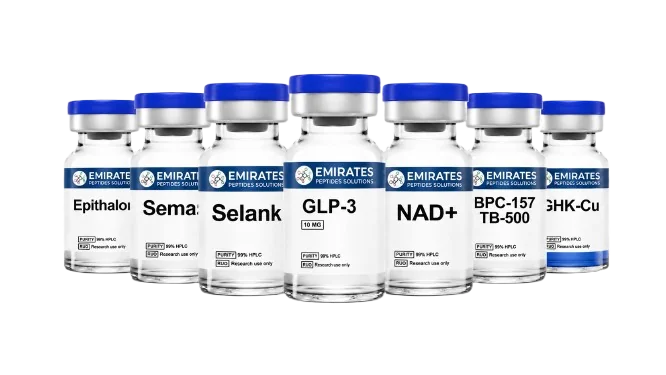

Blog
GLP-3 vs Semaglutide: Multi-Receptor vs GLP-1 Research Comparison


- Key facts at a glance
- Define the words before comparing them
- Single pathway vs multi-receptor research
- GLP-3 vs Semaglutide: side-by-side research-use review
- Every source answers a different question
For laboratory research and development purposes. Not for human consumption. Not approved for therapeutic use. This guide is educational research-use content and must not be interpreted as medical, dosing, or treatment advice.
- Why “GLP-3” and Semaglutide are different types of term, not rival products
- How a single-receptor and a multi-receptor research pathway differ
- What each kind of source can — and cannot — prove about a research compound
- How to read evidence maturity without turning it into an outcome claim
- The COA, purity, and storage checks a UAE research buyer should make
“GLP-3” and Semaglutide are not the same kind of term, and that is the first thing to understand. Semaglutide is a defined molecule: a single-pathway GLP-1 receptor agonist that appears widely in formal research literature and, in several markets, in approved branded products. “GLP-3” is an informal shorthand that some buyers use for an investigational multi-receptor (triple-hormone) research direction; it is not an approved medicine name. In a UAE research-use shopping context, the useful comparison is therefore about terminology, evidence maturity, and what you can verify before buying — not about which one “works better.”
This article does not compare weight-loss results, dosing, side effects, treatment suitability, personal use, or which compound is better for a person.
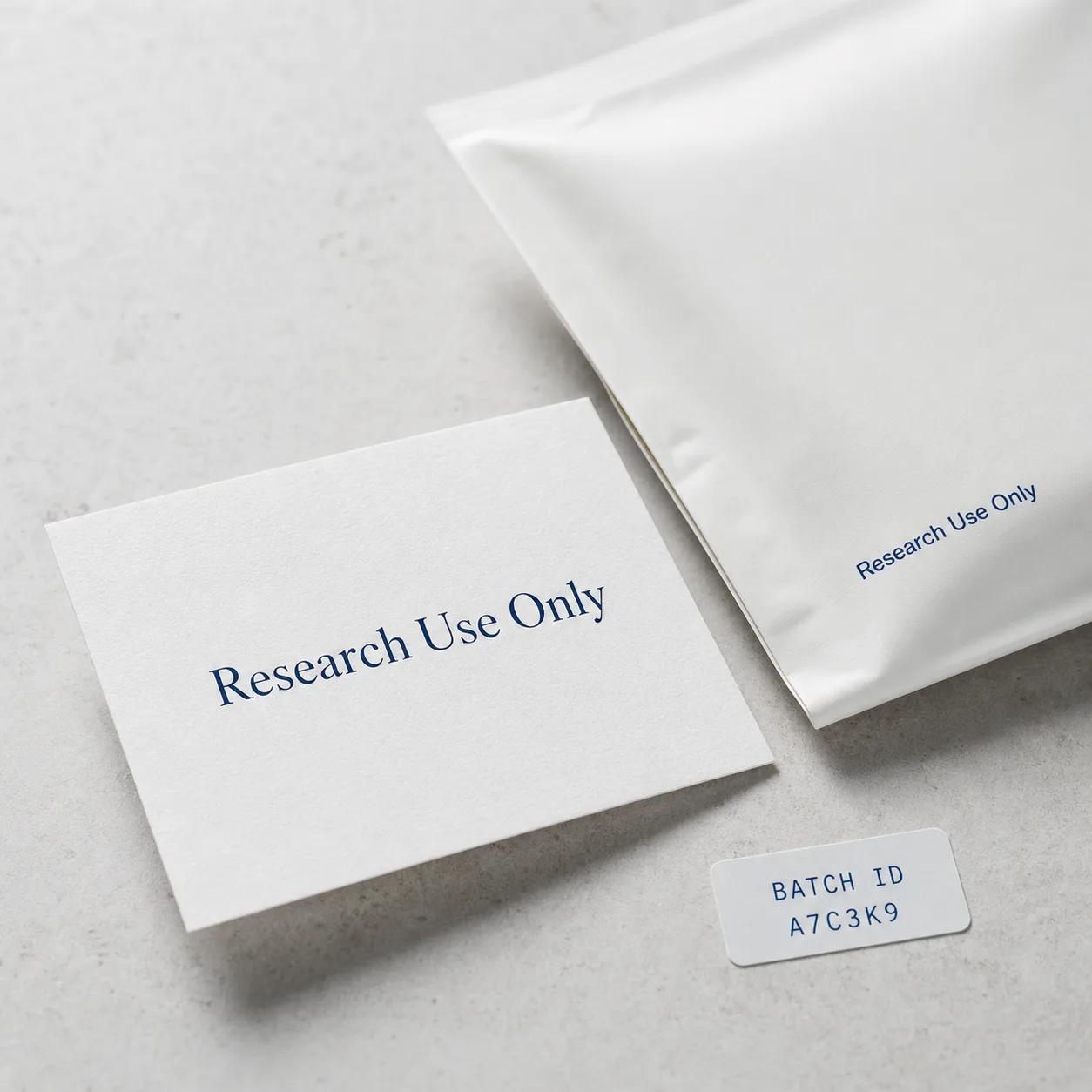
01 · Terminology
Define the words before comparing them
“GLP-3 vs Semaglutide” mixes two very different kinds of label.
Semaglutide is a specific glucagon-like peptide-1 (GLP-1) receptor agonist — a single, well-characterised molecule. In formal research literature it is the active ingredient behind approved branded products in several markets, with a long-acting profile suited to once-weekly schedules in published studies.
“GLP-3” is not an official compound name and does not describe an approved medicine. It is an informal term that circulates in online discussion and supplier listings, usually pointing toward a newer multi-receptor research direction — most often the investigational triple-hormone-receptor (GIP, GLP-1, and glucagon) agonist class. Because the term is informal and emerging, it must be handled carefully and treated as a research-context label rather than a settled product category.

02 · Mechanism
Single pathway vs multi-receptor research
Latest research insights. No spam, ever.
Mechanism is orientation, not a buying promise.
Semaglutide acts on one incretin pathway — the GLP-1 receptor — and is described in research as a long-acting GLP-1 receptor agonist studied for appetite and energy-intake endpoints. The investigational direction often labelled “GLP-3” is, by contrast, described as acting on three receptors at once (GIP, GLP-1, and glucagon), which is why it is called a triple-hormone-receptor agonist rather than a GLP-1-only molecule. For a research buyer, one term refers to a single-pathway molecule with mature documentation, and the other to a multi-receptor research direction at an earlier stage. Mechanism explains the type of research question — it never establishes supplier quality or outcomes for a person.
1step
Category first
Decide whether a claim is formal-research, investigational, or supplier-quality context before interpreting it.
1vs 3
Receptor count
Semaglutide is single-receptor (GLP-1). The “GLP-3” direction is multi-receptor (GIP/GLP-1/glucagon).
COAled
Quality signals
COA, purity, and batch identity describe supplier quality — not therapeutic effect or approval.
UAEheat
Handling
Warm-climate storage, dispatch timing, and support access shape confidence after the guide ends.

03 · Comparison
GLP-3 vs Semaglutide: side-by-side research-use review
A structured review, not a winner-and-loser ranking.
| Comparison point | “GLP-3” (informal research label) | Semaglutide | What the reader learns |
|---|---|---|---|
| Term type | Informal shorthand for a multi-receptor research direction; not an approved medicine name. | A defined GLP-1 receptor agonist molecule with formal documentation. | The two terms are not the same kind of label. |
| Pathway | Described as triple-hormone (GIP/GLP-1/glucagon) in published research. | Single incretin pathway (GLP-1 receptor). | Mechanism is orientation, not buying proof. |
| Evidence maturity | Earlier investigational stage; smaller, shorter published studies. | Large, late-stage published programmes in formal research literature. | Source stage defines how much confidence a claim deserves. |
| Risk of confusion | High — informal naming can imply an approval or category that does not exist. | Moderate — medicine familiarity can be misapplied to research-use stock. | Familiar names need careful, accurate handling. |
| Product-review checks | COA, batch identity, purity context, storage, support access. | Same research-use checks, plus clarity that supply is not an approved medicine. | Documentation quality beats promotional language. |
| UAE relevance | Warm-climate storage, dispatch timing, RUO wording, support. | Same, with extra care around medicine-status wording. | Local clarity reduces uncertainty before ordering. |

04 · Evidence maturity
Every source answers a different question
Maturity and source type, not a head-to-head outcome.
A comparison becomes serious when the evidence type is visible. Semaglutide is supported by large, late-stage clinical programmes — for example, a 68-week phase 3 obesity study in roughly 1,960 adults. The triple-hormone-receptor research direction often labelled “GLP-3” sits at an earlier stage, characterised mainly by a smaller phase 2 trial of 338 adults over 48 weeks. The point of noting these is maturity and stage, not a head-to-head result — and neither tells you anything about the quality of a specific research-use batch on a supplier’s shelf.
A large late-stage programme and an early phase 2 study answer different questions. Keeping those jobs separate is what protects a reader from false confidence in either direction.
Source confidence guide
Approved-medicine context
Useful for official terminology and approval context for a specific branded medicine. It does not verify a research-use supplier batch.
Clinical-trial stage
Useful for study phase, design, duration, and population. It clarifies evidence maturity — not product quality for supplier stock.
COA or batch document
Useful for purity, batch identity, and testing route. It supports product confidence, not medical or approval claims.
Product page or support answer
Useful for availability, storage, dispatch, and documentation access. Strongest when specific and easy to verify.
| Source type | Can support | Cannot support |
|---|---|---|
| Approved-medicine context | Approval context for a specific branded medicine and indication | Approval of any research-use product |
| Clinical-trial stage | Trial phase, design, endpoints, population | Quality of a supplier’s research-use batch |
| Peer-reviewed research | Published mechanism and research stage | COA, batch identity, or supplier handling |
| Supplier COA / batch document | Purity context and batch identity | Therapeutic effect or medicine status |

05 · UAE checks
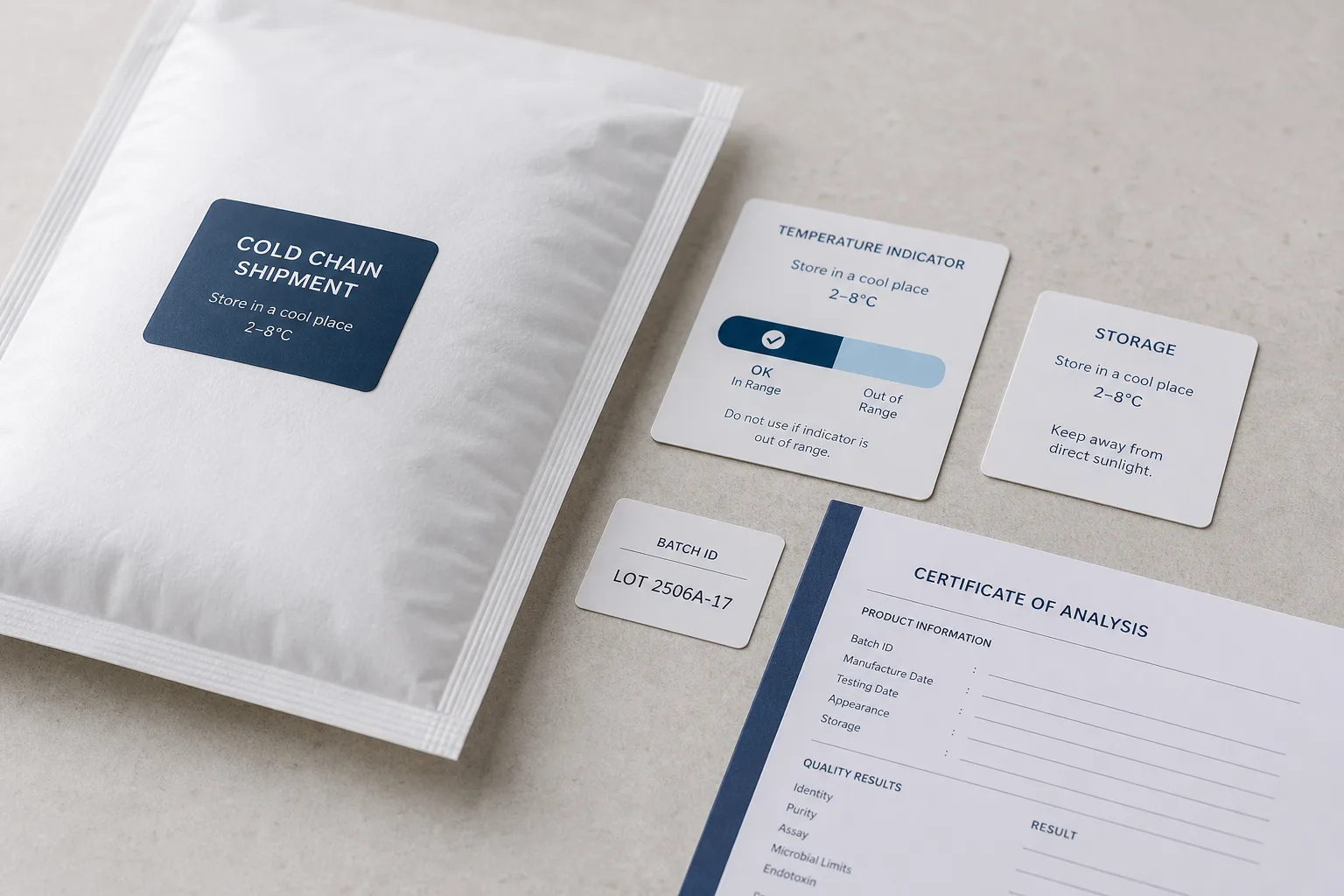
UAE research-use quality checks
What to verify before buying in a warm-climate market.
06 · Common mistakes
Shortcuts that weaken the decision
Each one feels convincing and each leaves a real gap.
| Shortcut | Why it misleads | Better review method |
|---|---|---|
| Treating “GLP-3” as an approved medicine | It is an informal research label, not an approval status. | Treat it as a research-context term and review the documentation, not the name. |
| Borrowing semaglutide’s medicine familiarity | Familiar names create false confidence in research-use stock. | Separate medicine literature from research-use product review. |
| Reading mechanism as proof | Receptor language sounds authoritative but proves no quality. | Match each mechanism claim to a clear source type. |
| Price-first review | A low number hides handling, storage, and COA gaps. | Review COA access, batch clarity, purity, and support before price. |
Identity, documentation, purity context, storage, support — then price. That order keeps the decision calm and evidence-led.

07 · FAQ
Frequently asked questions
Are GLP-3 and Semaglutide the same thing?
No. Semaglutide is a defined GLP-1 receptor agonist molecule with formal documentation. “GLP-3” is an informal label that usually points to a newer multi-receptor research direction and is not an approved medicine name.
Is “GLP-3” an official compound name?
No. It is informal shorthand used in online discussion and some supplier listings. It should always be treated as a research-context label rather than a settled product category.
How do the mechanisms differ?
Semaglutide acts on a single incretin pathway, the GLP-1 receptor. The research direction often called “GLP-3” is described as acting on three receptors (GIP, GLP-1, and glucagon) and is called a triple-hormone-receptor agonist.
Which one has more research behind it?
By evidence maturity, semaglutide has large, late-stage published programmes, while the triple-hormone-receptor direction is at an earlier investigational stage. This describes research maturity only, not suitability or outcomes for any person.
Does this guide recommend one over the other?
No. It explains terminology, evidence context, and verification. It does not compare results, dosing, or human use, and it makes no treatment recommendation.
What quality signals should UAE buyers check?
COA access, batch identity, purity or HPLC context, storage clarity for UAE heat, a visible research-use boundary, and a responsive support route.
Does a COA prove a compound works?
No. A COA supports purity context and batch identity — the practical signals of supplier quality. It does not prove a therapeutic effect or an approval, but it is central to a careful research-use review.
Why keep this strictly research-use?
Because these compounds are supplied for laboratory research only. Keeping terminology, evidence, and documentation separate from human-use framing is what makes the comparison accurate and responsible.
Was this research-use guide useful?
Was this article helpful?

🔬 Related Research Peptides
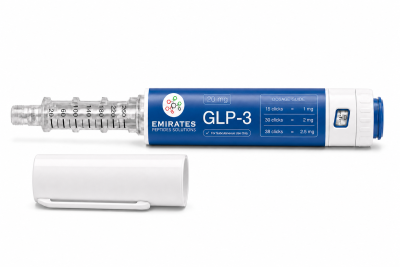
Explore Research-Grade Peptides
HPLC-verified, lab-tested peptides for your scientific research. Fast delivery across the UAE.
Browse All PeptidesRelated Articles



Emirates Peptides Research Team
A dedicated coalition of biochemists and clinical researchers focusing on advanced peptide synthesis and pharmacological applications. All data is verified against current clinical trials.
FROM INSTAGRAM