Blog

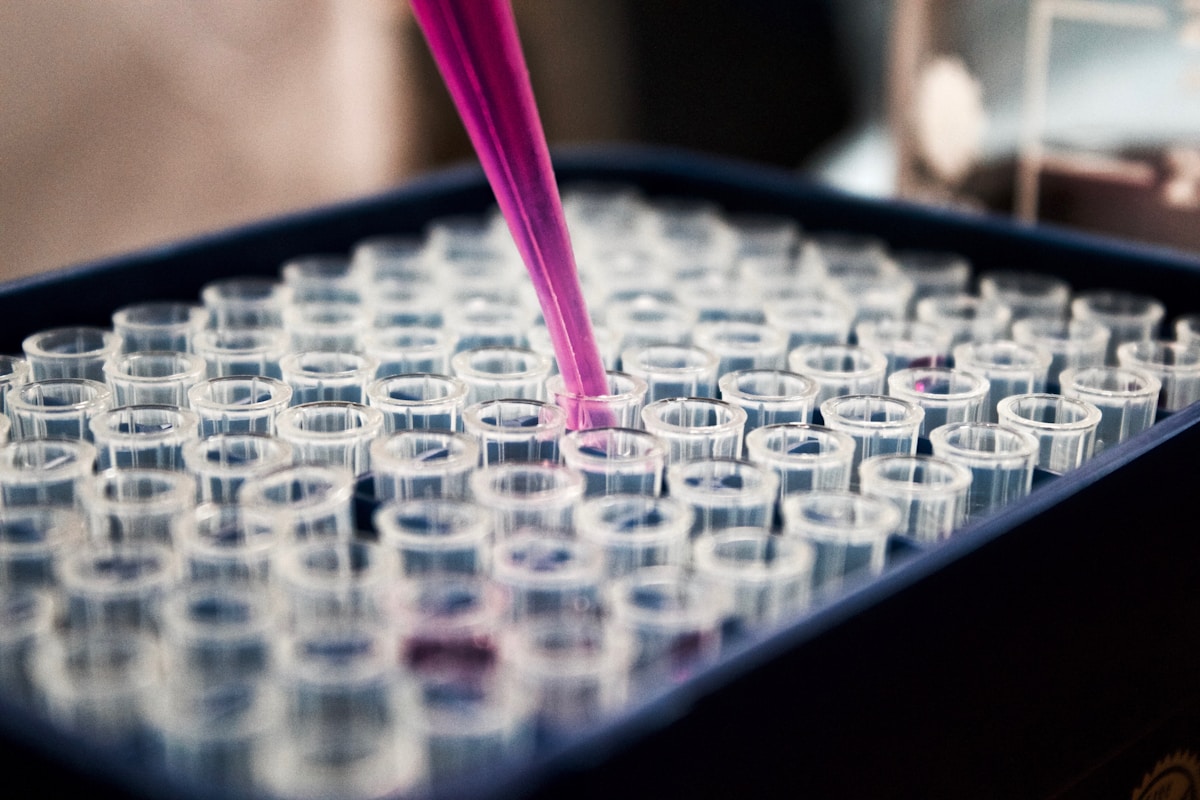
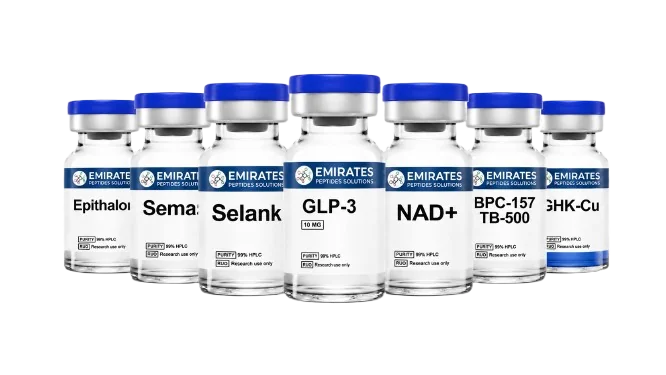
For research use only. Material is supplied as a lyophilized reference compound with HPLC purity verification.
- Key Facts at a Glance
- The Foundation of Reliable Research
- How HPLC Testing Works
- Why Purity Matters in Research
- Reading a Certificate of Analysis
02 · Foundation
The Foundation of Reliable Research
In peptide research, the quality of your starting materials directly determines the reliability of your results. High-Performance Liquid Chromatography, commonly known as HPLC, is the gold standard analytical method for assessing peptide purity. Understanding what HPLC testing involves and why it matters is essential knowledge for any researcher working with synthetic peptides.
03 · HPLC
How HPLC Testing Works
Latest research insights. No spam, ever.
HPLC separates the components of a peptide sample based on their chemical properties as they pass through a specialized column under high pressure. A detector measures each component as it exits the column, producing a chromatogram — a visual representation of the sample’s composition. The target peptide appears as a distinct peak, and its area relative to the total peak area indicates the purity percentage. A well-synthesized research peptide typically achieves purity levels of 98% or higher.
04 · Purity
Why Purity Matters in Research
Impurities in peptide samples can come from incomplete synthesis, side reactions, or degradation during handling and storage. These impurities — which may include truncated sequences, deletion peptides, or oxidation products — can interfere with experimental results in unpredictable ways. A peptide sample listed at 95% purity contains 5% unknown compounds that could trigger false positive results, mask true biological effects, or introduce unwanted variables into carefully designed experiments.
05 · Reading
Reading a Certificate of Analysis
Every reputable peptide supplier provides a Certificate of Analysis (CoA) with each product. This document should include the HPLC purity percentage, the molecular weight confirmed by mass spectrometry, the peptide sequence, lot number, and testing date. Researchers should review these documents before incorporating any peptide into their work. At Emirates Peptides, we include detailed CoAs with every order, giving our customers full transparency about the products they receive.
06 · Emirates
Emirates Peptides’ Commitment to Quality
At Emirates Peptides, quality is not just a marketing claim — it is the foundation of everything we do. Every peptide we supply undergoes HPLC purity testing and mass spectrometry verification. We maintain strict storage protocols from synthesis to delivery, ensuring that the peptide you receive matches the specifications on its certificate of analysis. When you choose Emirates Peptides, you choose confidence in your research materials.
07 · Questions
Frequently Asked Questions
What does HPLC purity really tell you?
HPLC purity tells you what percentage of the peptide sample is the target peptide versus impurities (truncated sequences, deletion peptides, oxidation products). At 99% purity, 1% of the sample is unknown compounds. At 95%, 5% is unknown — enough to potentially confound research results.
Why isn’t HPLC purity alone enough?
HPLC tells you purity, not identity. A sample could be 99% pure but be the wrong peptide entirely. That’s why mass spectrometry is run alongside HPLC — it confirms the molecular weight matches the target sequence. The combination of HPLC + MS is the standard for confirming both quality and identity.
What should a Certificate of Analysis contain?
A complete COA includes: peptide name and sequence, lot/batch number, HPLC purity percentage with chromatogram, molecular weight confirmed by mass spectrometry, water content, testing date, manufacturer, and storage recommendations. Anything less is incomplete.
What’s the difference between 98% and 99% purity?
It seems small but it’s a 2× difference in impurity load. 98% = 2% impurities; 99% = 1%. For sensitive research applications (especially in vitro cell studies and binding assays), the difference can be meaningful. For most pre-clinical research, ≥98% is acceptable; ≥99% is the gold standard.
How do I read a chromatogram?
A chromatogram is a plot of detector signal versus time. Each component in the sample appears as a peak. The largest peak is your target peptide; smaller peaks are impurities. Modern HPLC software integrates each peak’s area; the target peak area divided by total peak area gives the purity percentage. Look for: a clean, dominant target peak with minimal baseline noise.
Was this article helpful?

Explore Research-Grade Peptides
HPLC-verified, lab-tested peptides for your scientific research. Fast delivery across the UAE.
Browse All PeptidesRelated Articles
Selected Research References
Selected scientific references for research context only. Products remain for laboratory research use and are not for human use.
- Characterization of structurally related peptide impurities using HPLC-QTOF-MS/MS
- A strategy for assessing peak purity of pharmaceutical peptides in reversed-phase chromatography methods
- Purity assignment for peptide certified reference materials by combining qNMR and LC-MS/MS amino acid analysis results
- Therapeutic peptides: current applications and future directions
- Strategies for Improving Peptide Stability and Delivery

Emirates Peptides Research Team
A dedicated coalition of biochemists and clinical researchers focusing on advanced peptide synthesis and pharmacological applications. All data is verified against current clinical trials.