
Blog

For research use only. Material is supplied as a lyophilized reference compound with HPLC purity verification.
- Key Facts at a Glance
- Why Proper Storage Is Critical
- Storing Lyophilized Peptides
- Handling Reconstituted Peptides
- Environmental Factors to Consider
02 · Proper
Why Proper Storage Is Critical
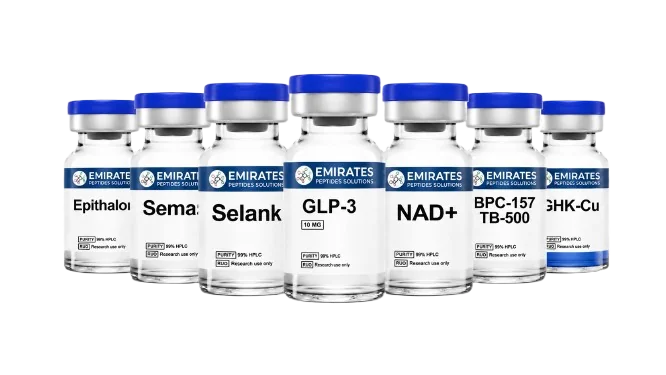
Research peptides represent a significant investment in both time and resources. Improper storage and handling can lead to peptide degradation, resulting in reduced biological activity and unreliable experimental outcomes. Whether you are working with BPC-157, TB-500, GHK-Cu, or any other research peptide, following established storage protocols is essential for maintaining product integrity and ensuring reproducible results.
03 · Storing
Storing Lyophilized Peptides
Latest research insights. No spam, ever.
Lyophilized (freeze-dried) peptides are the most stable form for long-term storage. In this powder form, peptides are protected from hydrolysis — the chemical breakdown caused by water exposure. Most lyophilized peptides should be stored at -20°C for long-term preservation, though many remain stable at 2-8°C for shorter periods. The key is to minimize exposure to moisture, light, and temperature fluctuations. Always allow vials to reach room temperature before opening to prevent condensation from forming inside.
04 · Handling
Handling Reconstituted Peptides
Once peptides are reconstituted in bacteriostatic water or another appropriate solvent, their shelf life decreases significantly. Reconstituted peptides should be stored at 2-8°C and used within three to four weeks for optimal results. Avoid repeated freeze-thaw cycles, as the ice crystal formation during freezing can physically damage the peptide’s molecular structure. If you need to store reconstituted peptides for longer periods, consider preparing single-use aliquots to minimize handling.
05 · Environmental
Environmental Factors to Consider
Several environmental factors can accelerate peptide degradation. UV light can cause photochemical reactions that alter the peptide’s structure, so always store peptides in opaque containers or amber vials when possible. Oxygen exposure can lead to oxidation of susceptible amino acid residues such as methionine and cysteine. Extreme pH conditions and elevated temperatures also promote degradation. Maintaining a controlled laboratory environment is fundamental to preserving your peptide inventory.
06 · Best
Best Practices Summary
Successful peptide research begins with proper material management. Keep lyophilized peptides frozen, reconstituted peptides refrigerated, and always work in a clean environment. Label every vial with the reconstitution date, concentration, and solvent used. When ordering from Emirates Peptides, your products arrive in properly sealed vials with desiccants to protect against moisture during transit. By following these storage and handling guidelines, you maximize the value of every peptide in your research inventory.
07 · Questions
Frequently Asked Questions
Should lyophilised peptides be stored at -20 °C or 2–8 °C?
Both work, but for different durations. -20 °C is the gold standard for long-term storage (12+ months) — slows all degradation reactions. 2–8 °C is acceptable for shorter periods (3–6 months) and is what most laboratory refrigerators provide. The choice depends on how long you plan to keep the peptide unopened.
Why can’t I freeze reconstituted peptide?
Ice crystal formation during the freeze-thaw cycle physically damages the peptide’s secondary structure and can fragment the peptide backbone. The result is reduced biological activity and unpredictable research results. Reconstituted peptides are only stable refrigerated, not frozen.
Why do I have to bring lyophilised peptide to room temperature before opening?
Cold vials condense moisture from ambient air on the stopper. When you penetrate the stopper with a needle, that moisture can be drawn into the vial — compromising the dry environment that keeps the peptide stable. Letting the vial warm to room temperature (10–15 minutes) prevents this.
Should peptides be stored in opaque containers or amber vials?
Yes — UV light causes photochemical degradation of tryptophan, tyrosine, and other aromatic amino acid residues. Amber vials or storage in opaque containers (or simply in the back of the fridge away from internal lighting) protects against UV damage. Many lyophilised peptides ship in amber vials by default.
What’s the right way to aliquot a reconstituted peptide for long-term storage?
Aliquot the reconstituted peptide into multiple single-use sterile microtubes immediately after reconstitution. Each aliquot is used once, then discarded — eliminating repeated stopper penetration on the original vial. Store the aliquots at 2–8 °C if used within 28 days, or store an unmade vial of lyophilised peptide for longer windows.
How do I know if a peptide has degraded?
Visual cues first: cloudy, particulate, or yellow-tinted reconstituted solutions indicate degradation (GHK-Cu’s normal sky-blue is the exception). Beyond visual: reduced biological effect in research models compared to a fresh vial. For definitive assessment, run HPLC on the suspect material to check current purity.
Was this article helpful?

Explore Research-Grade Peptides
HPLC-verified, lab-tested peptides for your scientific research. Fast delivery across the UAE.
Browse All PeptidesRelated Articles


Selected Research References
Selected scientific references for research context only. Products remain for laboratory research use and are not for human use.
- Strategies for Improving Peptide Stability and Delivery
- Stabilization of proteins for storage
- Characterization of structurally related peptide impurities using HPLC-QTOF-MS/MS
- A strategy for assessing peak purity of pharmaceutical peptides in reversed-phase chromatography methods
- Therapeutic peptides: current applications and future directions

Emirates Peptides Research Team
A dedicated coalition of biochemists and clinical researchers focusing on advanced peptide synthesis and pharmacological applications. All data is verified against current clinical trials.