Blog

For research use only. Material is supplied as a lyophilized reference compound with HPLC purity verification.
- The short answer
- Recovery is a process, not one endpoint
- BPC-157 in tendon and wound models
- Thymosin beta-4 and TB-500-related research
- GHK-Cu and extracellular-matrix research
Peptides do not “enhance recovery” as a single class. In research, different molecules are used to investigate cell migration, angiogenesis, inflammation, matrix remodelling, muscle signalling or tendon mechanics. BPC-157, thymosin beta-4-related materials, GHK-Cu and KPV are common examples, but most evidence is preclinical and does not establish a rehabilitation treatment.
01 · Short
The short answer
Peptide recovery research is credible only when it measures more than an attractive pathway. A good study links molecular markers to tissue structure, mechanical properties and function. BPC-157 and thymosin beta-4 are studied mainly in experimental repair models; GHK-Cu in matrix biology; KPV in inflammatory pathways. None should be called a proven rehabilitation peptide without adequate human trials.
02 · Recovery
Recovery is a process, not one endpoint
After tissue injury, haemostasis, inflammation, proliferation and remodelling overlap. Cells migrate, blood vessels change, temporary matrix forms and collagen architecture matures under mechanical load. A result at day three may not predict the strength or function of tissue at day 42.
Rehabilitation adds another dimension. Loading, range of motion, neuromuscular control, pain, scar formation and behaviour affect outcomes. A molecular study cannot reproduce a complete rehabilitation programme.
Researchers should decide which layer they are studying:
| Layer | Example endpoint | Key question |
|---|---|---|
| Molecular | FAK phosphorylation, VEGF expression, cytokine concentration | Did a signalling pathway change? |
| Cellular | Migration, proliferation, viability, matrix secretion | Did cells change behaviour without toxicity? |
| Tissue | Histology, collagen alignment, vascular density | Did organised tissue change? |
| Mechanical | Load to failure, stiffness, elasticity | Did the tissue become mechanically different? |
| Functional | Gait, range of motion, task performance | Did the organism function differently? |
| Clinical | Validated patient outcome, reinjury, return to activity | Did people benefit under controlled conditions? |
A strong conclusion names the layer. “Increased cell migration” should not become “faster recovery.”
03 · BPC-157
BPC-157 in tendon and wound models
Latest research insights. No spam, ever.
BPC-157 is a synthetic 15-amino-acid peptide with a research literature dominated by cell and animal models. A 2011 tendon study reported increased rat tendon-explant outgrowth, fibroblast migration and spreading, plus changes in FAK and paxillin signalling. It did not find a direct proliferation effect in the reported MTT assay.
Earlier work in a transected rat Achilles tendon model reported biomechanical, functional, microscopic and macroscopic endpoints. Another rat alkali-burn model reported wound closure and tissue changes and explored ERK1/2 and VEGF-related mechanisms. These studies are relevant to preclinical repair biology.
They also demonstrate recurring limitations:
- animal injury models may not reproduce common human injuries;
- dose, route and timing can be specific to the experiment;
- a positive result from one research group needs independent replication;
- material identity and impurity profiles may not be fully comparable;
- publication and citation patterns can favour positive findings;
- safety and exposure in humans remain inadequately defined.
The FDA identifies BPC-157 as a bulk substance with limited safety information and possible immunogenicity and characterisation concerns. Any recovery article that omits this boundary is incomplete.
04 · Thymosin
Thymosin beta-4 and TB-500-related research
Full-length thymosin beta-4 is a 43-amino-acid endogenous peptide that binds actin and participates in cell migration and other processes. Research includes corneal, dermal, cardiac and wound models. Several sequence regions have been linked to different activities.
TB-500 is commonly used as a catalogue name for a thymosin beta-4-related fragment, often LKKTETQ. That fragment sits within the central actin-binding region. It should not be treated as full-length thymosin beta-4. A parent peptide contains other regions that may influence survival, inflammation or fibrosis.
For recovery research, actin dynamics and migration can be relevant, but the endpoint needs context. Angiogenesis may support one stage of repair while contributing to unwanted changes in another. Increased cellularity can coexist with inferior mechanics or adhesions. A canine tendon study of basic fibroblast growth factor, for example, found more early cellular and vascular activity without improved mechanical properties and with increased adhesion-related problems. The study was not about thymosin beta-4, but it is a useful warning against equating biological activity with functional repair.
05 · Ghk-Cu
GHK-Cu and extracellular-matrix research
GHK-Cu is a copper(II) complex of the tripeptide glycyl-L-histidyl-L-lysine. Classic fibroblast work reported increased collagen synthesis under the tested conditions. Other studies examine matrix remodelling, glycosaminoglycans, metalloproteinases and wound-related processes.
GHK-Cu can contribute to a rehabilitation-research article when the question involves extracellular matrix. It is not interchangeable with BPC-157 or TB-500. Copper coordination introduces chemical variables such as ratio, pH, competing ligands and oxidation. GHK-Cu is also different from AHK-Cu.
A matrix marker should be interpreted with structure and mechanics. More collagen is not automatically better. Collagen type, crosslinking, alignment and remodelling affect tissue quality. Excessive or disorganised deposition may contribute to fibrosis. Studies should include histological or mechanical endpoints when the hypothesis reaches beyond cell secretion.
06 · Inflammatory
KPV and inflammatory models
KPV is the tripeptide Lys-Pro-Val, derived from the carboxyl end of alpha-melanocyte-stimulating hormone. Research focuses on inflammatory signalling, epithelial biology and immune-related pathways. This can be relevant because inflammation influences early repair and later remodelling.
The phrase “anti-inflammatory peptide” can still mislead. Inflammation is not simply an error to suppress; it is a regulated part of repair. The timing, cell population and pathway matter. Reducing one cytokine at one time point does not establish improved healing.
Human exposure data are limited. The FDA states that it has not identified human exposure data for KPV administered by any route. KPV should therefore remain a mechanistic research candidate, not a recommendation for rehabilitation.
07 · Comparison
Why comparison by marketing category fails
“Recovery peptide” groups molecules by an intended outcome rather than by chemistry. It can place a metal complex, an endogenous protein fragment, a synthetic pentadecapeptide and an inflammatory tripeptide in one list. That is convenient for navigation and poor for experimental design.
A better comparison uses four questions:
- What is the exact molecule? Sequence, modification, complex and mass.
- What mechanism is being tested? Migration, matrix, inflammation, receptor or actin biology.
- What is the evidence level? Assay, cell, animal or human.
- What outcome matters? Marker, structure, mechanics or function.
When those answers differ, a simple rank from one to five is scientifically meaningless.
08 · Designing
Designing a reproducible repair study
Start with a narrow hypothesis
“Peptide X improves recovery” is not testable enough. A better hypothesis identifies the material, model, endpoint and timeframe. For example: “A characterised material changes tendon-fibroblast migration compared with vehicle during the specified assay window.”
Choose controls that expose alternative causes
Vehicle, positive control and untreated conditions may be needed. Sequence-specific questions can benefit from scrambled or inactive controls. A copper-peptide study may need peptide-only and copper-only arms. A blend study needs each component alone.
Confirm material quality
Link the experiment to batch, sequence, expected mass, chromatographic result and actual peptide-content basis. Where inflammatory endpoints are used, endotoxin status may be critical. Confirm stability over the experiment rather than assuming the starting material remains unchanged.
Measure more than one layer
A mechanistic marker can accompany a structural or functional endpoint. Viability helps distinguish a specific pathway effect from general toxicity. Histology and mechanics can show whether early biological changes produce organised tissue.
Predefine the analysis
Randomisation, blinded assessment, exclusion rules, sample size and primary endpoint should be written before results are known. Multiple time points and markers need control of false-positive risk.
09 · Blends
Blends and combination research
Multi-peptide blends are difficult to interpret because an observed result can come from one component, an interaction, an impurity or different actual content. A combination should be tested against each component, not only against vehicle.
Factorial designs can estimate whether effects are additive or interactive. That requires matched exposure and enough replicates. A result larger than either single component is not automatically synergy; statistical interaction and biological plausibility need evaluation.
Fixed commercial ratios may not match the best experimental design. A laboratory should not choose a blend merely because it is convenient. It should first decide whether component attribution matters.
10 · Quality
Quality variables that can imitate a biological result
Peptide assays are sensitive to preparation and handling. Adsorption to plastic can lower free concentration. Aggregation can change exposure and immunological behaviour. Oxidation or deamidation can create new species. Residual solvent, counter-ion and pH can affect cells.
Endotoxin is a major concern in inflammatory and wound models. If a test material changes cytokines but endotoxin was not controlled, the mechanistic conclusion may be unreliable. Sterility and endotoxin are distinct.
Laboratories should record the exact material state, buffer, container, time, temperature and freeze-thaw history. They should not rely on a universal shelf-life statement copied from a product page.
11 · Translation
Translation to rehabilitation requires more evidence
Human rehabilitation is not a larger animal assay. Clinical recovery includes baseline injury severity, surgery, loading plan, adherence, sleep, nutrition, comorbidities and outcome definition. Return to activity can conflict with biological healing if assessed too early.
An adequate clinical programme would need regulated product quality, pharmacology, safety data, ethics, prespecified endpoints and controlled trials. Research-use catalogue materials do not become suitable for this purpose through an online disclaimer.
Athletes also need current anti-doping guidance. WADA’s 2026 Prohibited List is in force, and BPC-157 and TB-500-related substances appear within anti-doping frameworks. A laboratory article should direct readers to WADA rather than offer workarounds.
12 · Time
Time changes the meaning of a repair endpoint
Repair is dynamic. A marker that is useful during early inflammation may be harmful or irrelevant during late remodelling. Angiogenesis can support initial tissue formation, yet persistent vascularity may accompany disorganised repair. Collagen accumulation can increase while fibre alignment and mechanics remain poor.
Longitudinal designs are therefore stronger than a single terminal snapshot. Predefine early, intermediate and late windows based on the model. Use the same primary outcome logic across groups and avoid selecting the time point with the largest difference after looking at the data.
Repeated measurements can reduce animal use in some designs, but they create statistical dependence. The analysis should account for within-subject correlation. Destructive tissue tests require separate cohorts or carefully planned sampling.
13 · Tissue-Specific
Tissue-specific models answer different questions
Tendon and ligament
Mechanical loading, collagen alignment and adhesion formation are central. Migration or collagen expression alone cannot establish useful repair. Load to failure, stiffness, cross-sectional area and histological organisation provide complementary information.
Skeletal muscle
Muscle studies may examine fibre damage, satellite cells, inflammation, force production and neuromuscular function. A reduction in a serum marker does not necessarily mean restored force. Injury method and training status can strongly change the response.
Skin and wound models
Closure rate is easy to photograph and easy to overinterpret. Re-epithelialisation, granulation tissue, collagen architecture, infection, contraction and scar quality can tell different stories. Rodent wounds close partly through contraction, which limits direct comparison with human healing.
Bone and cartilage
Mineralisation, callus formation, cartilage matrix and mechanical integrity require specialised endpoints and longer timelines. A peptide studied in tendon fibroblasts cannot be assumed useful in bone merely because both are connective tissues.
Gastrointestinal barrier models
Epithelial permeability, mucus, immune signalling and microbiota interactions may be measured. A result in gut tissue does not establish musculoskeletal recovery, even when the same peptide appears in both literatures.
14 · Rehabilitation
Rehabilitation research needs a loading model
Biological repair and mechanical rehabilitation interact. Too little load can reduce tissue organisation; excessive or poorly timed load can disrupt healing. A preclinical peptide study that ignores loading may not represent the question implied by “rehabilitation.”
Researchers can standardise activity, immobilisation or controlled loading and report it as part of the intervention. If animals move freely, cage environment and pain behaviour may affect exposure. In human observational work, adherence to physiotherapy and return-to-activity criteria need measurement.
The study should test whether a biological change remains meaningful under realistic mechanical demand. That may require force, gait, range-of-motion or task endpoints. It also requires restraint: an earlier return to activity is not automatically better if tissue quality or reinjury risk is unknown.
15 · Minimum
Minimum reporting set for a peptide repair study
Report the full sequence and modification, supplier or synthesis route, batch, identity, purity, content basis, storage and preparation method reference. State the species, strain, sex, age, tissue, injury method, randomisation, masking, comparator and welfare approval.
For outcomes, identify the prespecified primary endpoint, time points, sample-size rationale, exclusion criteria and statistical method. Provide raw or individual-level data where feasible. Report neutral and adverse observations, not only the most attractive images.
If the paper studies full-length thymosin beta-4, use that name. If it studies LKKTETQ, report the fragment. If a commercial TB-500 label appears, include its verified sequence. This naming discipline prevents later articles from merging distinct materials.
16 · Report
How to report findings without exaggeration
Use a sentence structure that preserves the model:
- “In cultured rat tendon fibroblasts, the study reported…”
- “In the rat burn model, investigators observed…”
- “The result did not establish human effectiveness.”
- “The material in the paper was full-length thymosin beta-4, not necessarily a TB-500-labelled fragment.”
Avoid “heals tendons,” “accelerates human recovery,” “best for rehabilitation” and “clinically proven” unless a suitable clinical evidence base supports the exact claim.
17 · Questions
Frequently asked questions
What peptides are studied in recovery research?
BPC-157, thymosin beta-4-related materials, GHK-Cu and KPV are among the peptides discussed in preclinical repair, migration, matrix or inflammatory research. They have different identities and evidence bases and should not be treated as one therapeutic class.
Is BPC-157 proven to speed tendon recovery?
No human clinical claim is justified by the current preclinical literature. Cell, explant and animal tendon studies report interesting findings, but they do not establish safe or effective rehabilitation in people.
Is TB-500 the same as thymosin beta-4?
Not necessarily. Full-length thymosin beta-4 has 43 amino acids. TB-500 often refers to a shorter related fragment, commonly associated with LKKTETQ. Researchers must verify the actual sequence.
Can GHK-Cu be compared directly with BPC-157?
Only in a model designed for a shared endpoint. GHK-Cu is a copper-peptide complex studied in matrix biology; BPC-157 has a different sequence and preclinical research history. A consumer-style ranking is not meaningful.
Does more angiogenesis mean better healing?
Not always. Vessel growth is context- and time-dependent. Excessive or disorganised vascular and cellular activity can coexist with scar, adhesion or poor mechanics. Studies need structural and functional outcomes.
Why test endotoxin in recovery research?
Endotoxin can alter inflammatory pathways and confound cytokine or immune endpoints. A chemically pure-looking peptide may still carry endotoxin. Relevant testing and controls help distinguish the peptide effect from contamination.
Are peptide blends better than single materials?
That cannot be assumed. Blends make attribution harder. A good combination study compares each component and the combination under matched conditions and tests interaction rather than using “synergy” as a marketing word.
Can these products be used during sports rehabilitation?
This article does not support personal or sports use. Athletes must consult qualified medical and anti-doping professionals and the current WADA rules. Research-use products are not approved rehabilitation treatments.
18 · Conclusion
Conclusion
Peptides can be useful tools for studying the biology of repair, but “recovery” is too broad to serve as a mechanism or outcome. BPC-157, thymosin beta-4-related fragments, GHK-Cu and KPV belong to different experimental questions. Their findings are mostly preclinical and require careful identity, controls and translation.
The strongest research connects mechanism to tissue structure, mechanics and function while preserving negative results. It does not turn an early pathway signal into a personal recovery promise.
The final WordPress version should include an evidence-level graphic that places molecular, cell, animal, mechanical, functional and clinical outcomes on separate rows. Product cards should not interrupt the evidence review or use injury-oriented calls to action. One restrained link to a relevant research catalogue is enough after the research-use notice. Comments and FAQs should be monitored for personal injury questions; replies must not recommend a molecule or provide a rehabilitation protocol. New human evidence, if it appears, should be evaluated for the exact peptide and formulation before changing the conclusion.
19 · Practical
Practical takeaway for repair-model researchers
Choose a tissue, phase of repair and functional endpoint before selecting a peptide. Pair early pathway measurements with later structure or mechanics when the hypothesis implies recovery. Control loading, activity and injury severity. Verify endotoxin for inflammatory work and use molecule-specific naming. A positive migration or angiogenesis result is a starting point for a repair model, not the end of a rehabilitation argument. The most persuasive study shows whether early biology leads to organised, durable function.
20 · References
References
- Chang CH, et al. BPC 157 and tendon outgrowth, cell survival and migration. 2011.
- Staresinic M, et al. BPC 157 in a transected rat Achilles tendon model. 2003.
- Huang T, et al. BPC-157 in an alkali-burn wound model. 2015.
- Sosne G, et al. Biological activities of thymosin beta4 defined by active sites. 2010.
- Maquart FX, et al. GHK-Cu stimulation of collagen synthesis in fibroblast cultures. 1988.
- Burssens P, et al. Biological activity without improved tendon mechanics in a canine repair model. 2010.
- US Food and Drug Administration. Bulk drug substances that may present significant safety risks.
- World Anti-Doping Agency. 2026 Prohibited List.
21 · Interpret
How to interpret and apply this evidence
Recovery research is especially vulnerable to vague endpoints. Terms such as repair, rehabilitation and resilience can refer to molecular markers, tissue structure, mechanical performance, behaviour or return of function. A strong study defines which level it measures, when it measures it and what change would be biologically meaningful. One favourable marker should not be presented as proof of complete recovery when other relevant outcomes were not assessed.
Model selection also shapes interpretation. An acute laboratory injury, chronic degeneration and rehabilitation after immobilisation represent different questions. Findings from one model may generate a hypothesis for another but cannot be transferred automatically. Randomisation, blinded assessment, appropriate comparators, baseline balance and prespecified analyses help reduce the risk that ordinary variation is mistaken for a peptide effect.
Material verification belongs in the methods, not in an afterthought. Sequence identity, purity convention, content, lot, storage history and assay suitability can all influence reproducibility. Researchers should report null findings and adverse observations alongside positive signals. This guide maps experimental approaches and evidence limits only; it does not recommend recovery products, treatment choices, dosing, injection or use by athletes or patients.
Was this article helpful?

🔬 Related Research Peptides
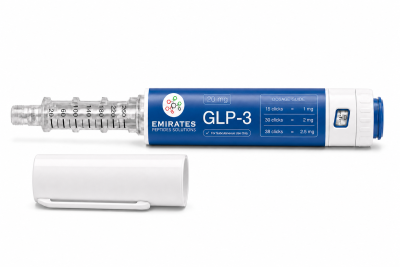
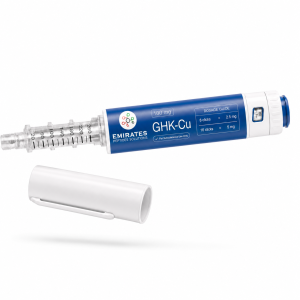
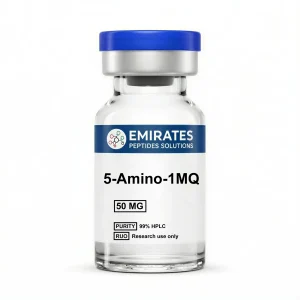
Explore Research-Grade Peptides
HPLC-verified, lab-tested peptides for your scientific research. Fast delivery across the UAE.
Browse All PeptidesRelated Articles



Emirates Peptides Research Team
A dedicated coalition of biochemists and clinical researchers focusing on advanced peptide synthesis and pharmacological applications. All data is verified against current clinical trials.