Blog


For research use only. Material is supplied as a lyophilized reference compound with HPLC purity verification.
- Key Facts at a Glance
- Why BPC-157 dosing is discussed in mcg, not mg
- Published dose ranges and research-discussion schedules
- What the literature can and cannot support
- Frequency, route, and TB-500 stack context
Last updated: 13 Jul 2026 · Reviewed by the Emirates Peptides Research Team · 18-minute read · 16 sources cited
BPC-157 dosing protocol discussions in research communities often mix animal mcg/kg data with informal daily-mcg schedules. This guide separates published preclinical ranges, reconstitution math used in laboratory protocols, storage constraints for UAE heat, and the evidence limits that prevent treating any schedule as validated human therapy. Each section is structured for researchers designing controlled laboratory experiments — not for personal-use guidance. Material from Emirates Peptides is supplied for laboratory research only.
Figures below are drawn from published preclinical literature and common laboratory reconstitution arithmetic. BPC-157 supplied by Emirates Peptides is for in-vitro and laboratory research. Dose tables are reference parameters for study design — not personal-use, injury-treatment, or recovery instructions.
01 · Mechanism
Why BPC-157 dosing is discussed in mcg, not mg
Angiogenesis- and cytoprotection-oriented models set the dose scale.
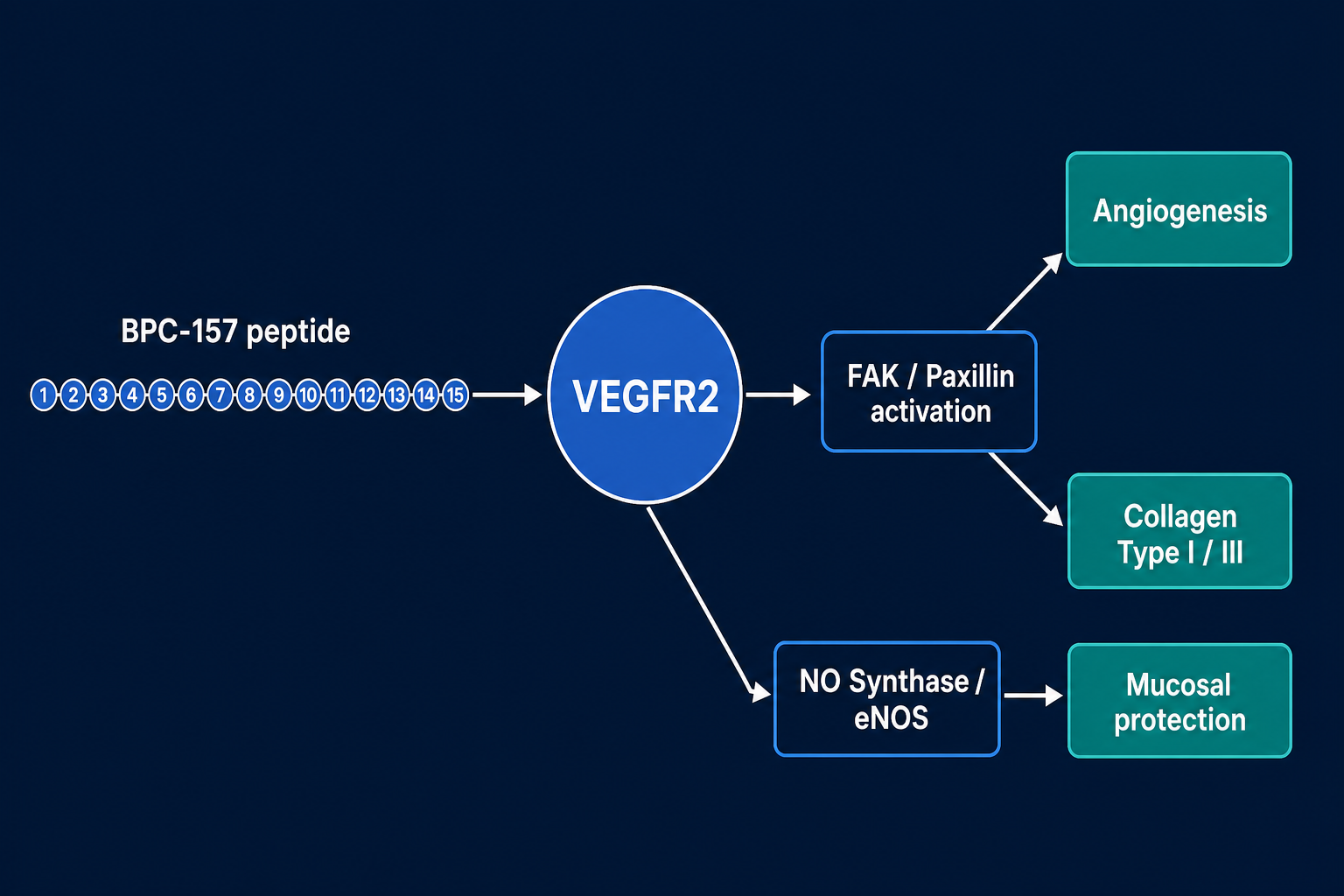
BPC-157 entered the literature as a stable gastric-derived pentadecapeptide studied for cytoprotective and repair-adjacent endpoints. Mechanism papers and reviews repeatedly return to angiogenesis, growth-factor signalling (including VEGF-linked discussions), nitric oxide system interactions, and fibroblast behaviour in tendon and wound models. For deeper identity context see the BPC-157 research overview.
Because many positive preclinical signals appear at relatively low mass exposures, published protocols speak in mcg/kg rather than the multi-milligram weekly language used for some other research peptides. Confusing those scales is one of the most common protocol-design errors when researchers move between BPC-157 notes and TB-500 or GLP-class schedules.
BPC-157’s downstream signalling in soft-tissue models involves focal adhesion kinase (FAK) and paxillin phosphorylation. FAK/paxillin activation in fibroblasts and tendon-derived cells correlates with cell migration and extracellular matrix remodelling — which explains why the peptide’s gastric-sequence identity connects to musculoskeletal preclinical work. Collagen type I synthesis, fibroblast outgrowth assays, and tendon histological organisation are the recurring output measures that map back to these FAK-centred pathway hypotheses.
Nitric oxide pathway interactions add another mechanistic layer. Multiple papers from Sikiric’s group report that BPC-157 modulates both eNOS (endothelial) and nNOS (neuronal) nitric oxide synthase in stress conditions, connecting its cytoprotective effects to a common cellular-protection pathway expressed across GI mucosa, vascular endothelium, and musculoskeletal tissue. Whether NOS modulation is a primary driver or a downstream consequence of upstream signalling remains an open mechanistic question.
From a dose-scale perspective, the mcg/kg framing is also partly allometric. Smaller animals have higher weight-relative metabolic rates and faster peptide clearance than larger species; a 10 mcg/kg rodent dose does not carry a simple linear equivalent in a human-weight calculation. Formal allometric scaling applies a body-surface-area correction factor (often a 0.33 body-weight exponent) plus half-life correction — not simple multiplication by body weight. For contrast, the GLP-3 dosing protocol illustrates the different mg-scale language that results from a distinct pharmacokinetic profile.
Angiogenesis
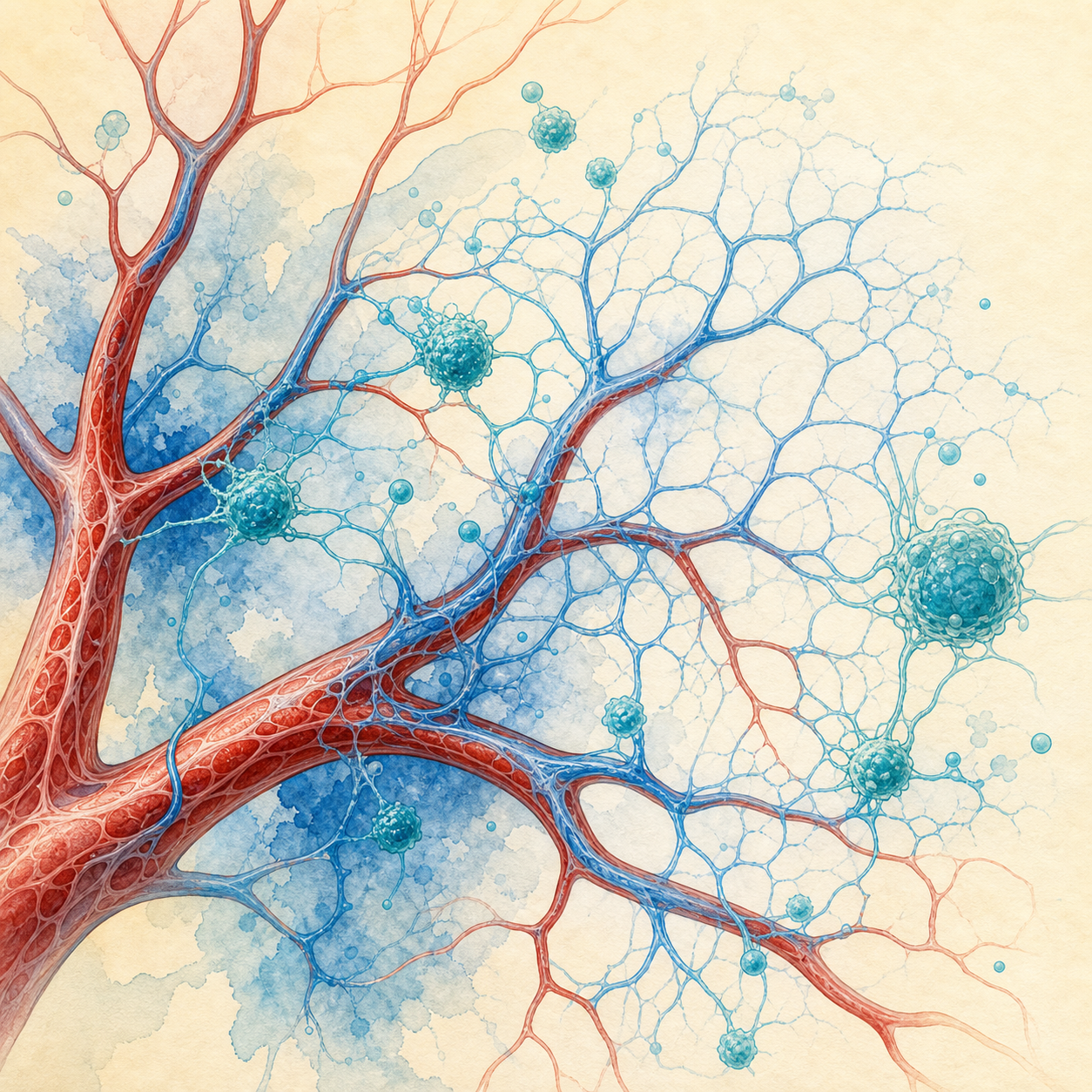
Vascular and VEGF-linked endpoints appear across wound and soft-tissue models; FAK/paxillin signalling is a proposed upstream mediator.
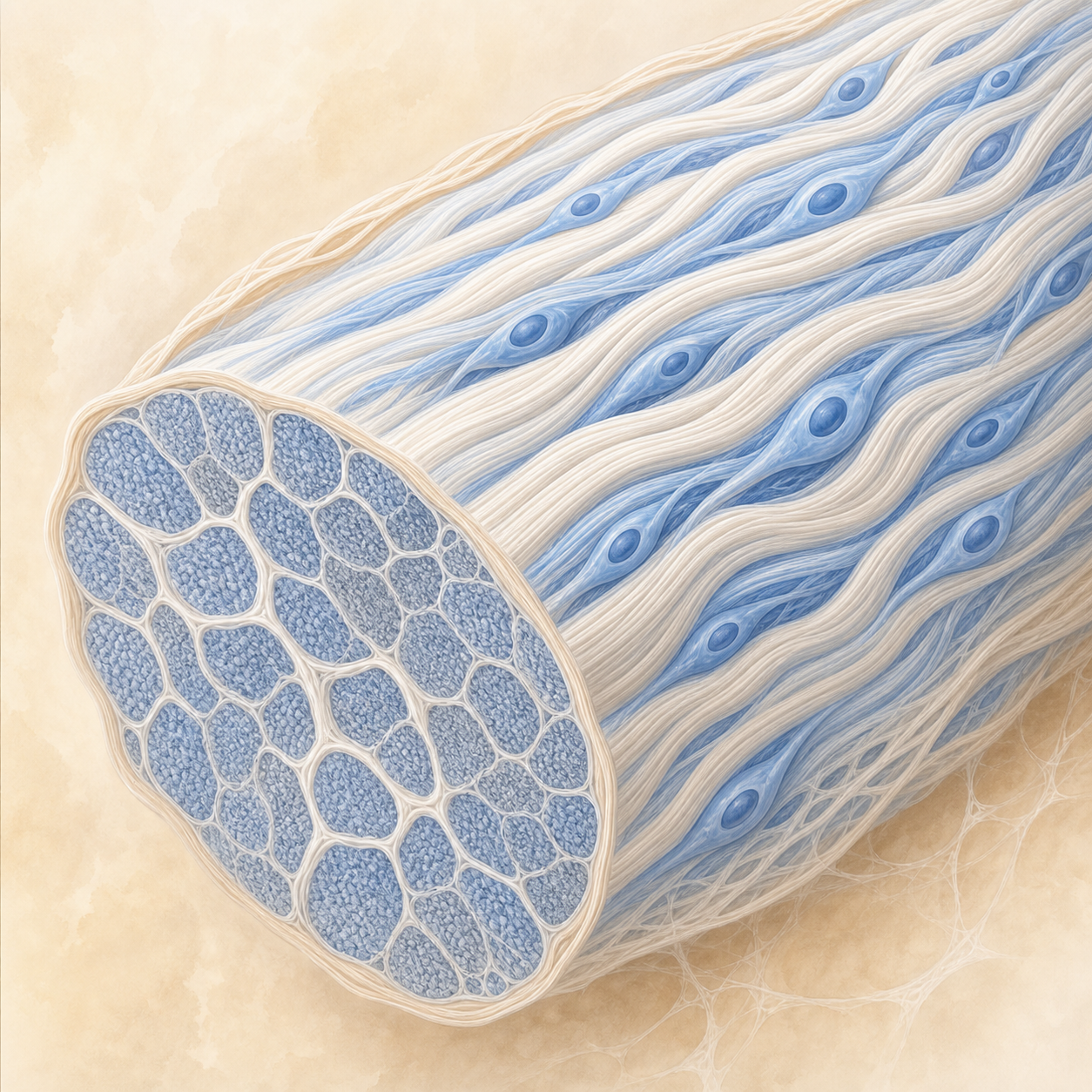
Soft tissue
Tendon, ligament, and muscle transection models dominate musculoskeletal discussions; collagen organisation and fibroblast outgrowth are primary endpoints.
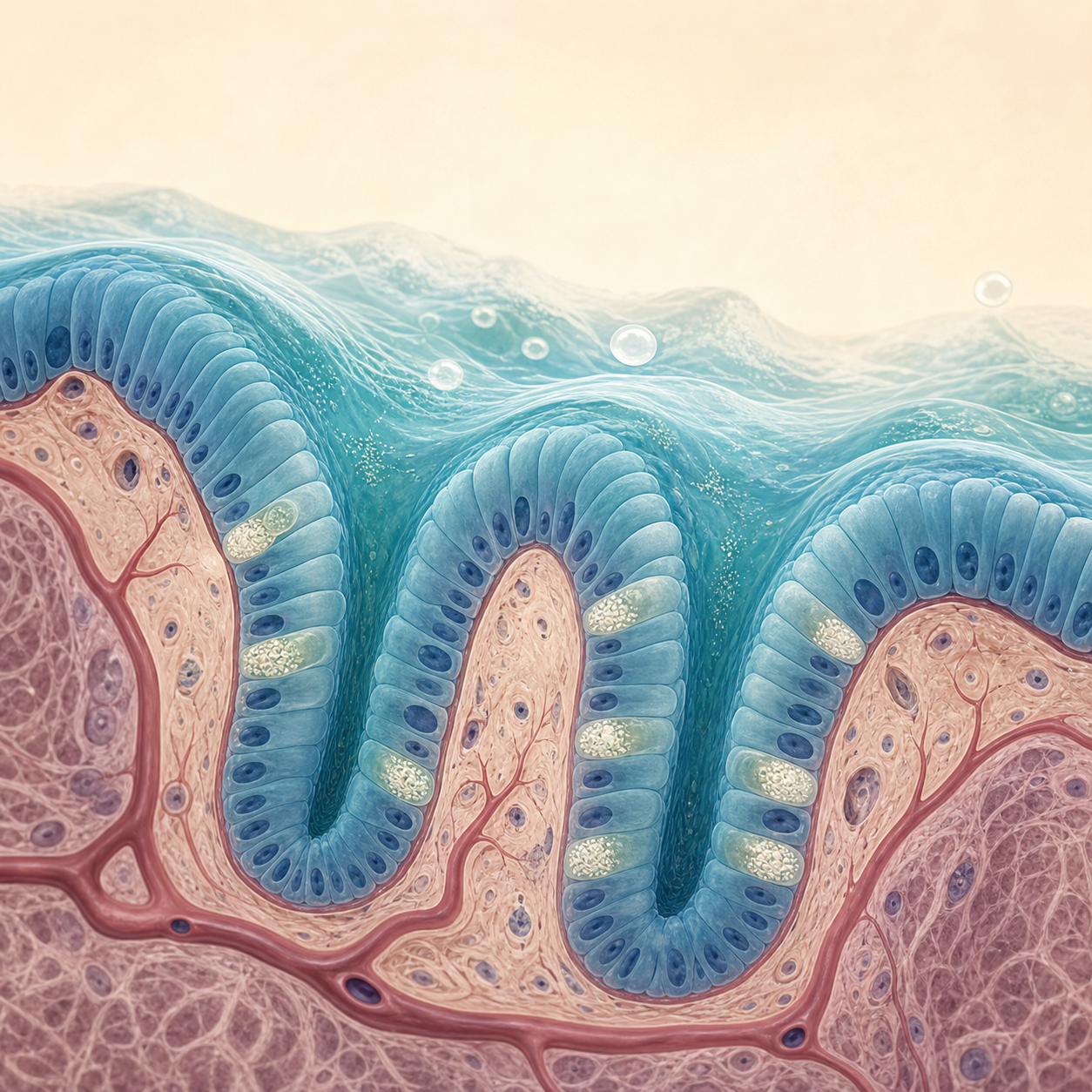
GI origin
Gastric-juice discovery context explains the large ulceration/IBD-model corpus; oral route is mechanistically coherent for GI endpoints.
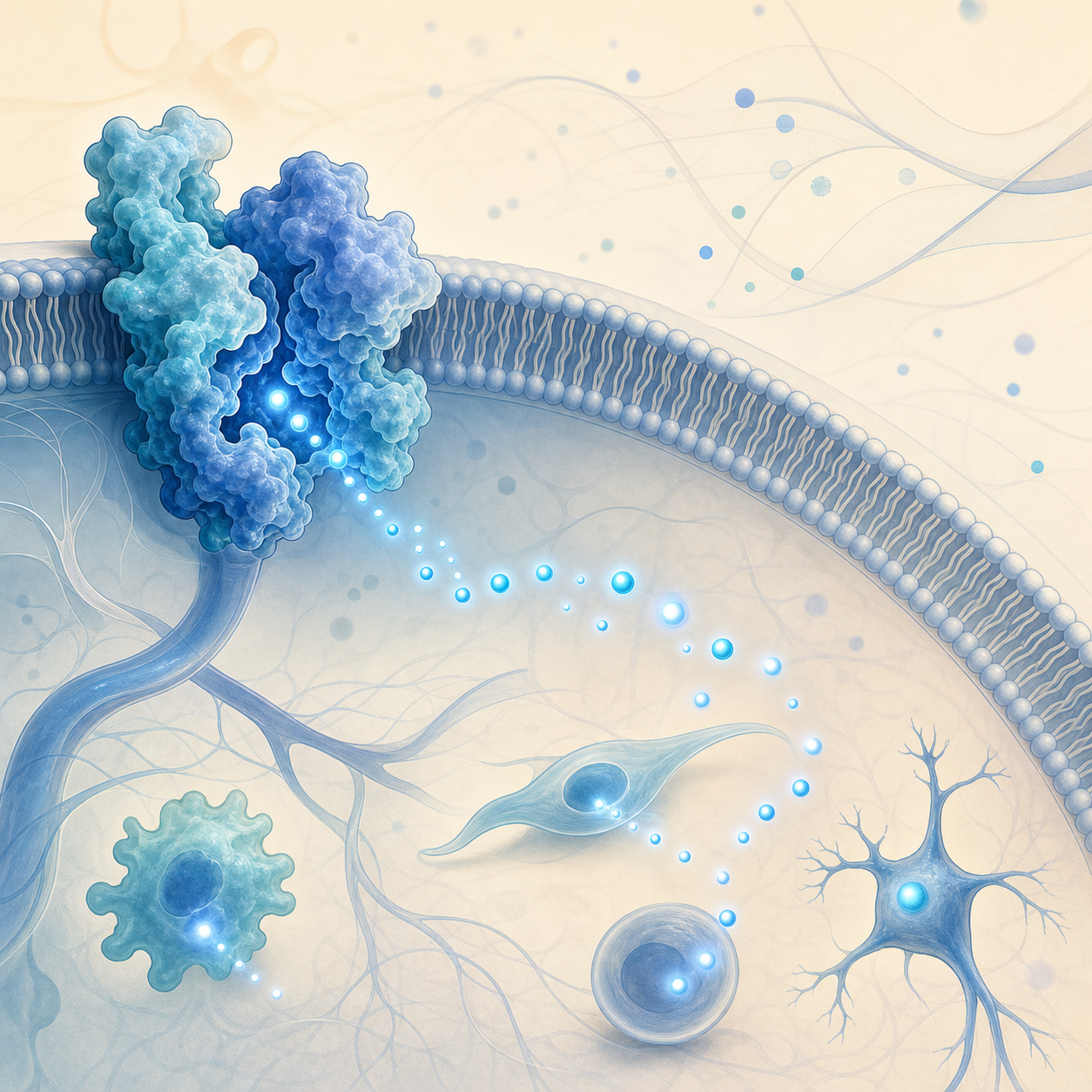
NO signalling
eNOS and nNOS pathway interactions are a recurring mechanistic theme across GI, vascular, and musculoskeletal tissue models in BPC-157 reviews.
02 · Protocol
Published dose ranges and research-discussion schedules
Latest research insights. No spam, ever.
Separate animal mcg/kg data from informal daily-mcg clusters.
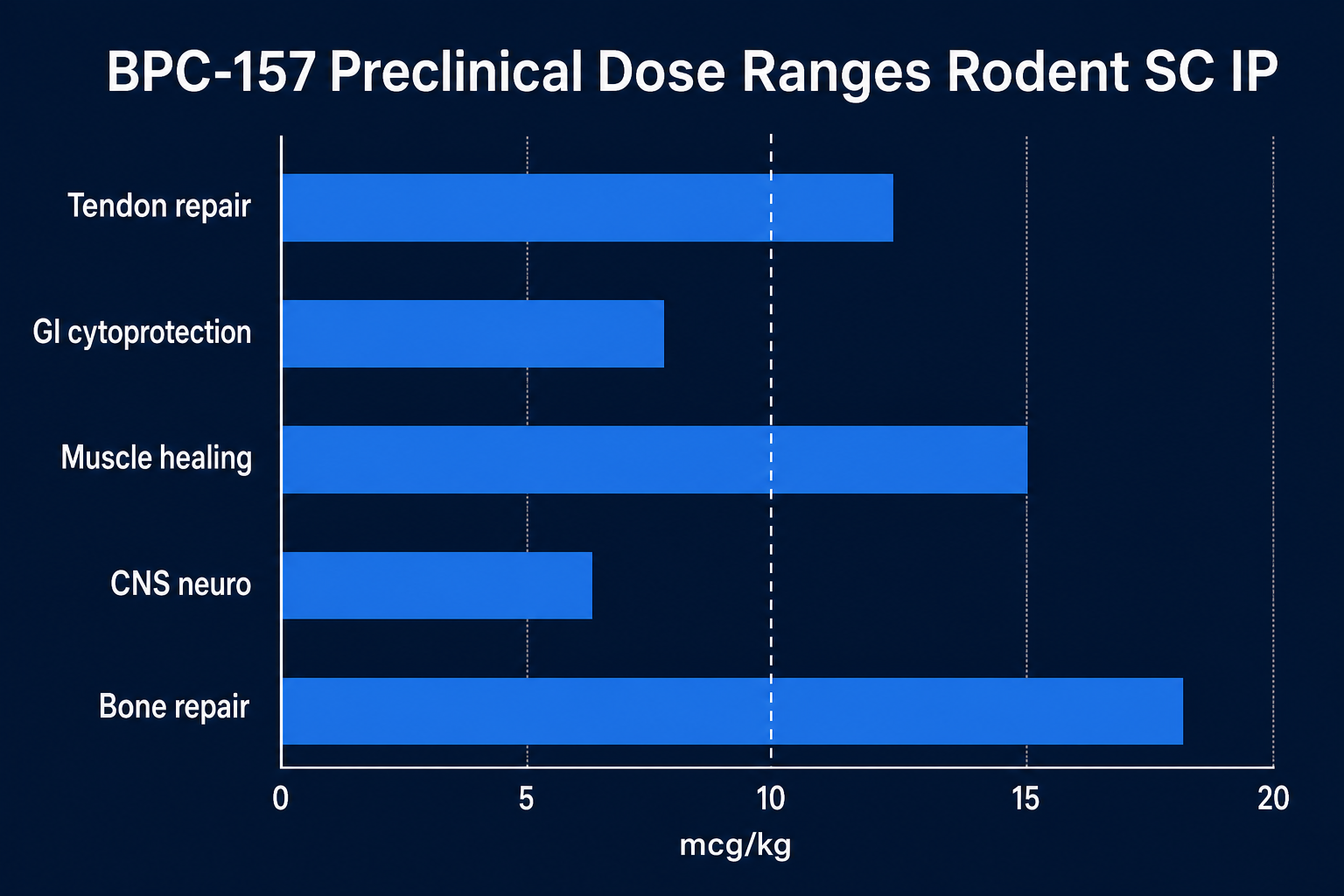
Across rodent and related preclinical systems, BPC-157 has been administered over a wide mcg/kg band. Exact numbers depend on species allometry, route (often subcutaneous or intraperitoneal in animals; oral in some GI models), and whether the endpoint is acute cytoprotection or multi-week tissue modelling.
Dose evidence layers — how to cite each tier
Published animal models
~10–250 mcg/kg model-dependent
Use: Primary citation layer for protocol justification
Duration patterns
7–28 days longer exploratory arms in some models
Use: Match observation window to endpoint biology
Informal research discussion
~250–500 mcg/day not trial-validated
Use: Label clearly as non-clinical community discussion
Human therapeutic dose
Not established for approved use
Use: Do not invent a “standard patient dose”
Published animal models
~10–250 mcg/kg
Use: Primary citation layer for protocol justification
Duration patterns
7–28 days
Use: Match observation window to endpoint biology
Informal research discussion
~250–500 mcg/day
Use: Label as non-clinical community discussion
Human therapeutic dose
Not established
Use: Do not invent a standard patient dose
The allometric picture makes any human-equivalent figure contentious for BPC-157. Unlike some other research peptides where rat-to-human pharmacokinetic bridges have been explored in Phase I safety work, BPC-157’s human exposure data remain limited to small early studies and isolated case reports. That gap between the rodent mcg/kg literature and any proposed human reference range must be stated explicitly in research documentation — footnoting an informal online discussion cluster as if it were a trial-validated dose is a significant protocol-documentation error.
Route of administration is a major protocol variable the dose-range table obscures. Subcutaneous injection delivers BPC-157 for systemic distribution; intraperitoneal injection (common in rat GI models) produces a faster absorption profile; oral administration is mechanistically coherent for GI endpoint studies given the peptide’s gastric-juice origin, though systemic bioavailability by this route is debated. Researchers designing multi-route comparison studies should cite specific precedent papers for each arm rather than assuming route-equivalence. Duration in published models typically spans 7–28 days; match the observation window to endpoint biology. For reconstitution arithmetic supporting precise mcg-scale draws, see section 05 and the reconstitution beginner guide.
03 · Evidence
What the literature can and cannot support
Strong preclinical volume, limited controlled human dosing programmes.
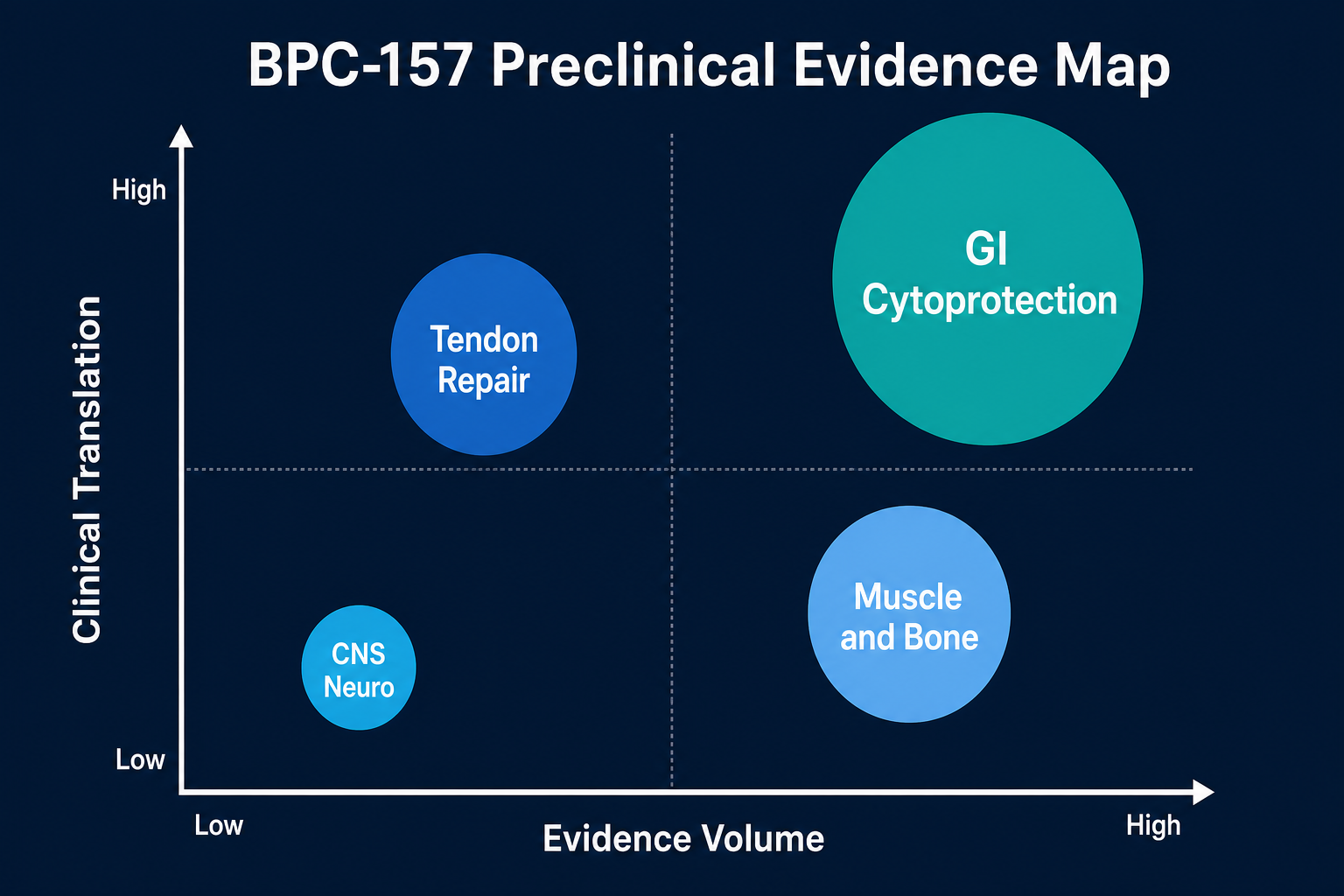
Tendon-to-bone and soft-tissue models, GI ulceration and inflammatory models, and angiogenesis assays form the core evidence story. Reviews by Sikiric, Seiwerth, and collaborators summarise decades of that work. The honest limit: controlled, large-scale human clinical programmes that would define therapeutic dosing, duration, and risk management are not the same maturity tier as the animal corpus.
The tendon and ligament corpus is the most cited domain in research-community discussions outside the GI field. Papers from the Zagreb group (Sikiric, Cerovecki, Staresinic, and collaborators) use rat Achilles transection, quadriceps tendon cut, and medial collateral ligament repair models — reporting accelerated tendon outgrowth, improved collagen organisation, and occasionally faster functional recovery. These are well-documented preclinical protocols and serve as a reasonable template for analogous rodent work. Extrapolating findings to clinical rehabilitation recommendations is a category error the original papers themselves do not make.
The GI corpus is the oldest and largest within BPC-157 research. Sikiric’s group began publishing gastric cytoprotection and ulcer models in the 1990s, drawing on the peptide’s gastric-juice origin; ethanol-induced lesion models, indomethacin-induced GI damage, and IBD analogues appear across dozens of publications. This informs the oral-route rationale discussed in section 02. The key translation limit: rodent gastric mucosa responds differently to cytoprotective compounds than human gastric mucosa, and dose-translation for a mucosal endpoint involves distinct pharmacokinetic considerations versus systemic soft-tissue models.
04 · Alternates
Frequency, route, and TB-500 stack context
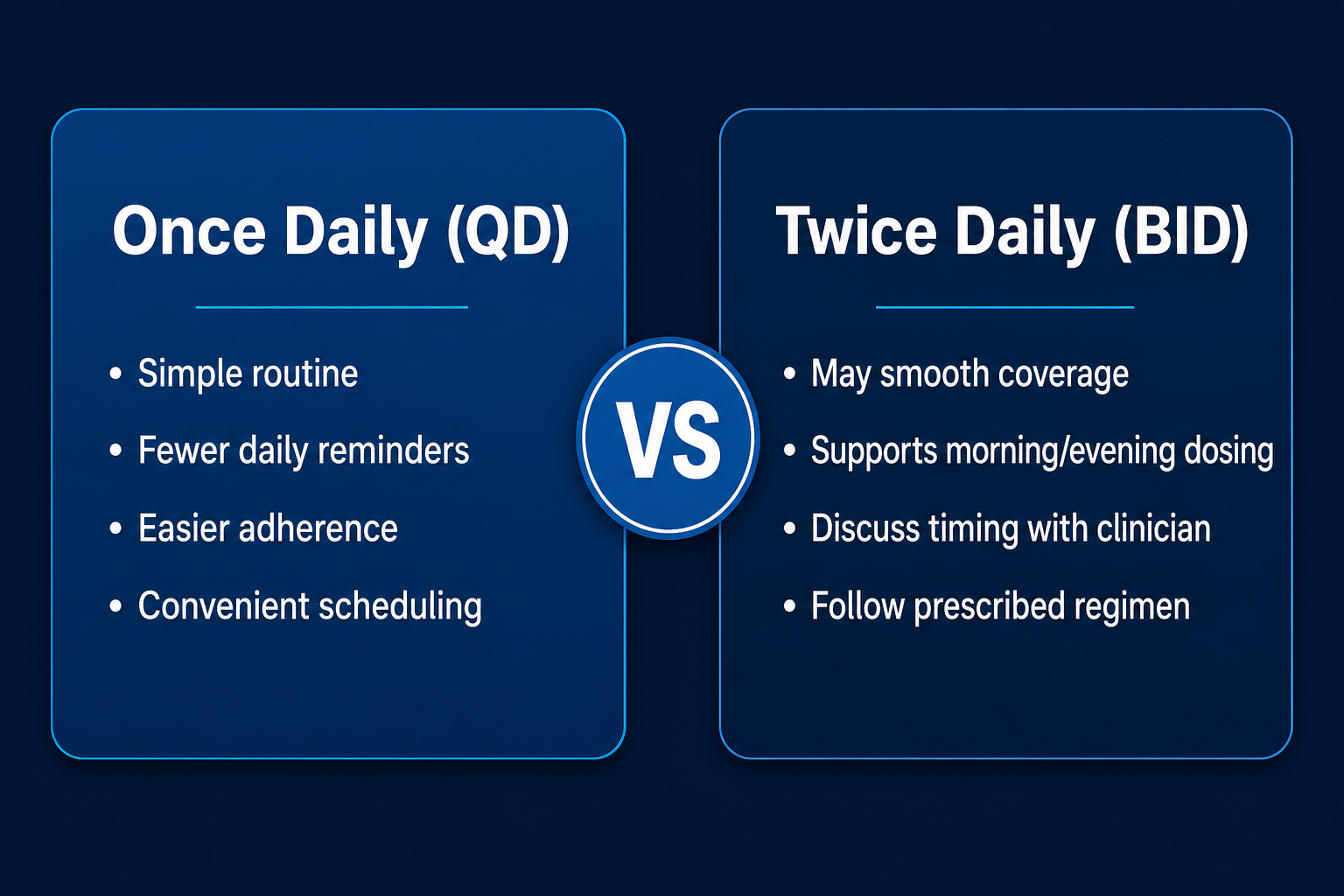
Experimental variables — not personal routines.

Once vs split daily
Literature uses both; BPC-157’s short plasma half-life makes split-dose designs theoretically relevant for models targeting sustained tissue exposure.

Local / systemic / oral
GI models often justify oral arms given gastric-origin biology; musculoskeletal models more often use parenteral routes. Route choice must match the mechanistic question.
Stacking with TB-500 appears in research discussion because the peptides are framed as complementary (local angiogenesis/repair signalling vs actin-linked cellular migration). See BPC-157 vs TB-500 and the combo UAE guide. Bundled supply documentation lives on the BPC-157 + TB-500 product page. Multi-peptide blends such as GLOW add further verification complexity — stacking is not a shortcut around COA discipline for any individual compound in a combination.
When designing a stacked protocol, the independent dose-response relationship of each peptide should be characterised before assuming additive endpoints. Consult the TB-500 tissue repair research overview for pathway context that makes clear why BPC-157’s mcg/day language and TB-500’s mg/week language are not interchangeable across a combined design.
05 · Reconstitution
Reconstitution math for laboratory protocols
BAC water volumes that make mcg draws land on clean syringe graduations.
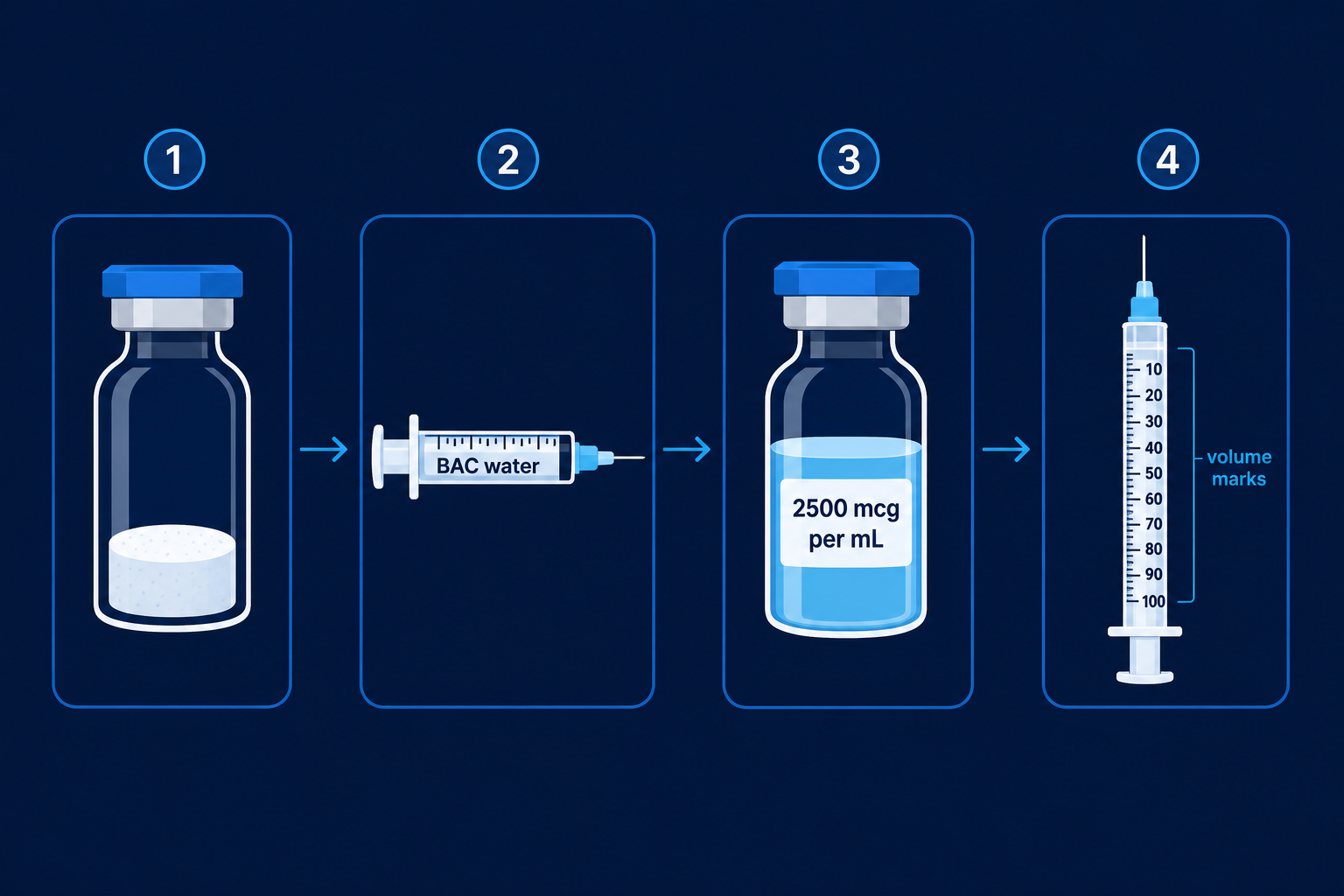
| Vial | BAC water | Concentration | Example draw |
|---|---|---|---|
| 5 mg | 2 mL | 2.5 mg/mL | 0.1 mL = 250 mcg · 0.2 mL = 500 mcg |
| 5 mg | 1 mL | 5 mg/mL | 0.05 mL = 250 mcg (harder graduations) |
| 10 mg | 2 mL | 5 mg/mL | 0.05 mL = 250 mcg · 0.1 mL = 500 mcg |
| 10 mg | 4 mL | 2.5 mg/mL | 0.1 mL = 250 mcg (same math as 5 mg/2 mL) |
Bacteriostatic water is the correct diluent because the benzyl alcohol preservative inhibits microbial growth in the reconstituted solution, extending usable shelf life to 28–30 days. Saline and sterile water for injection lack this preservative. The 2 mL addition to a 5 mg vial produces a 2.5 mg/mL concentration where each 0.1 mL — a standard U-100 insulin syringe graduation — delivers exactly 250 mcg, a round number that is easy to document and verify across experimental records.
Standard laboratory reconstitution procedure: sanitise vial tops with 70% isopropyl alcohol; direct the BAC water stream slowly down the inside glass wall (not directly onto the powder cake, which can shear the peptide); gently swirl — do not shake. Allow the solution to clear fully before drawing, then label with reconstitution date and concentration before refrigerating. Sibling process detail for alternative vial sizes: beginner reconstitution guide. For a different peptide’s weekly-mg math style, compare the GLP-3 dosing protocol.
06 · Storage
UAE heat, lyophilised vials, and reconstituted solutions
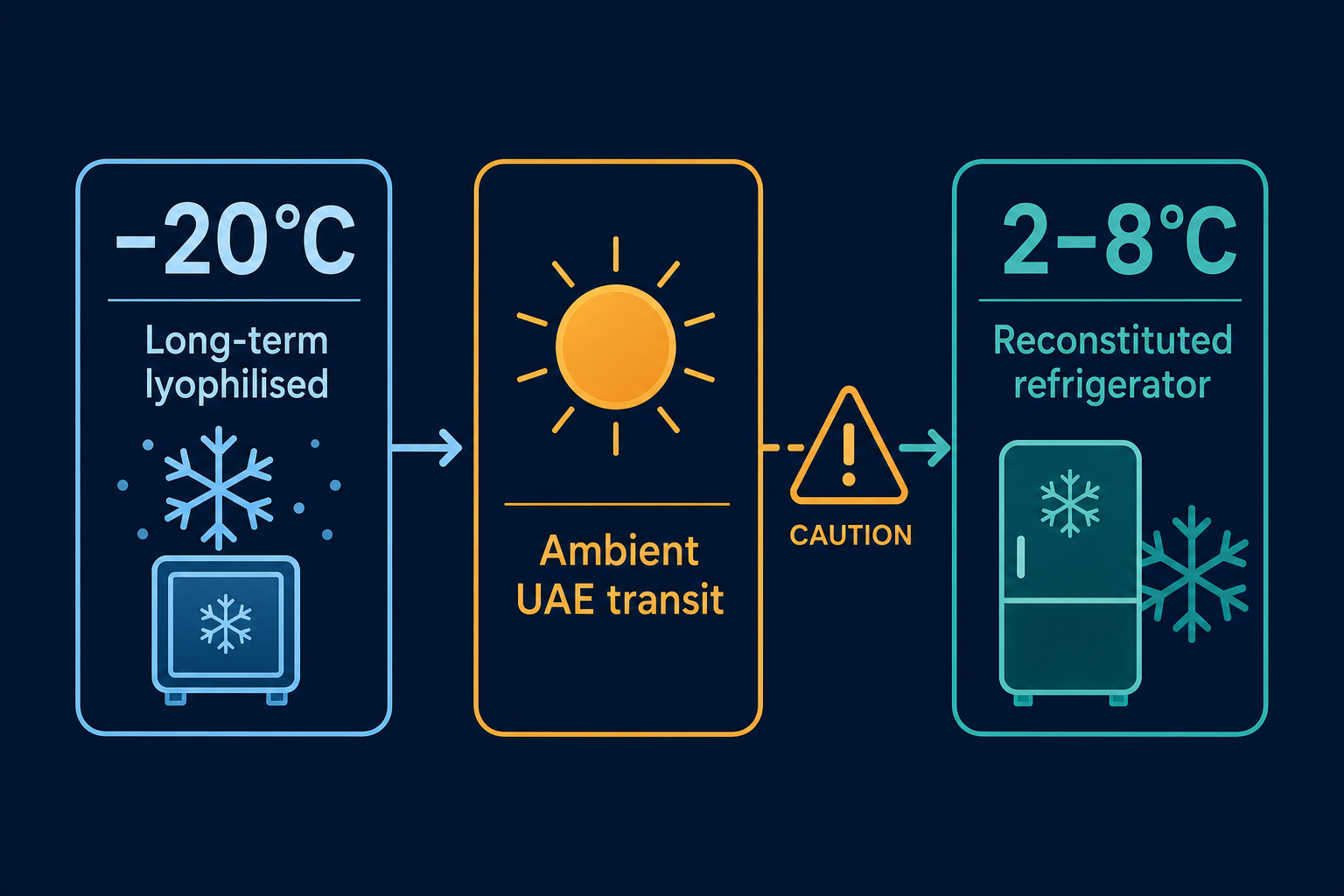
Cold-chain discipline is part of protocol integrity.
UAE ambient temperatures routinely exceed 40 °C in summer months, reaching 45 °C or higher in parked vehicles and unshaded storage areas. This thermal context creates specific hazards for peptide stability that researchers in temperate climates may underestimate. Lyophilised vials are more heat-stable than reconstituted solutions, but they are not inert to prolonged elevated temperature. Most peptide manufacturer documentation specifies storage below 25 °C for medium-term (weeks) holding in lyophilised form, and below −20 °C for long-term (months) archival. Keeping vials in the refrigerator door (where temperature fluctuates on opening), or at room temperature during a brief transit window, introduces cumulative thermal stress that compounds over time.
Once reconstituted, the stability window shortens dramatically. A BPC-157 peptide solution at 2–8 °C typically remains usable for 28–30 days, provided freeze–thaw cycles are avoided. Each freeze–thaw event risks peptide aggregation, partial denaturation, and draw-to-draw concentration variability — all of which undermine experimental reproducibility. The practical protocol for UAE research environments: reconstitute only the volume needed for the planned experimental window; keep the remainder as lyophilised stock in a dedicated freezer; label each vial clearly with reconstitution date, resulting concentration, and researcher initials. Broader cold-chain and labelling workflow notes are collected in the peptide storage best practices guide.
07 · Observations
Safety and toxicology notes from the literature
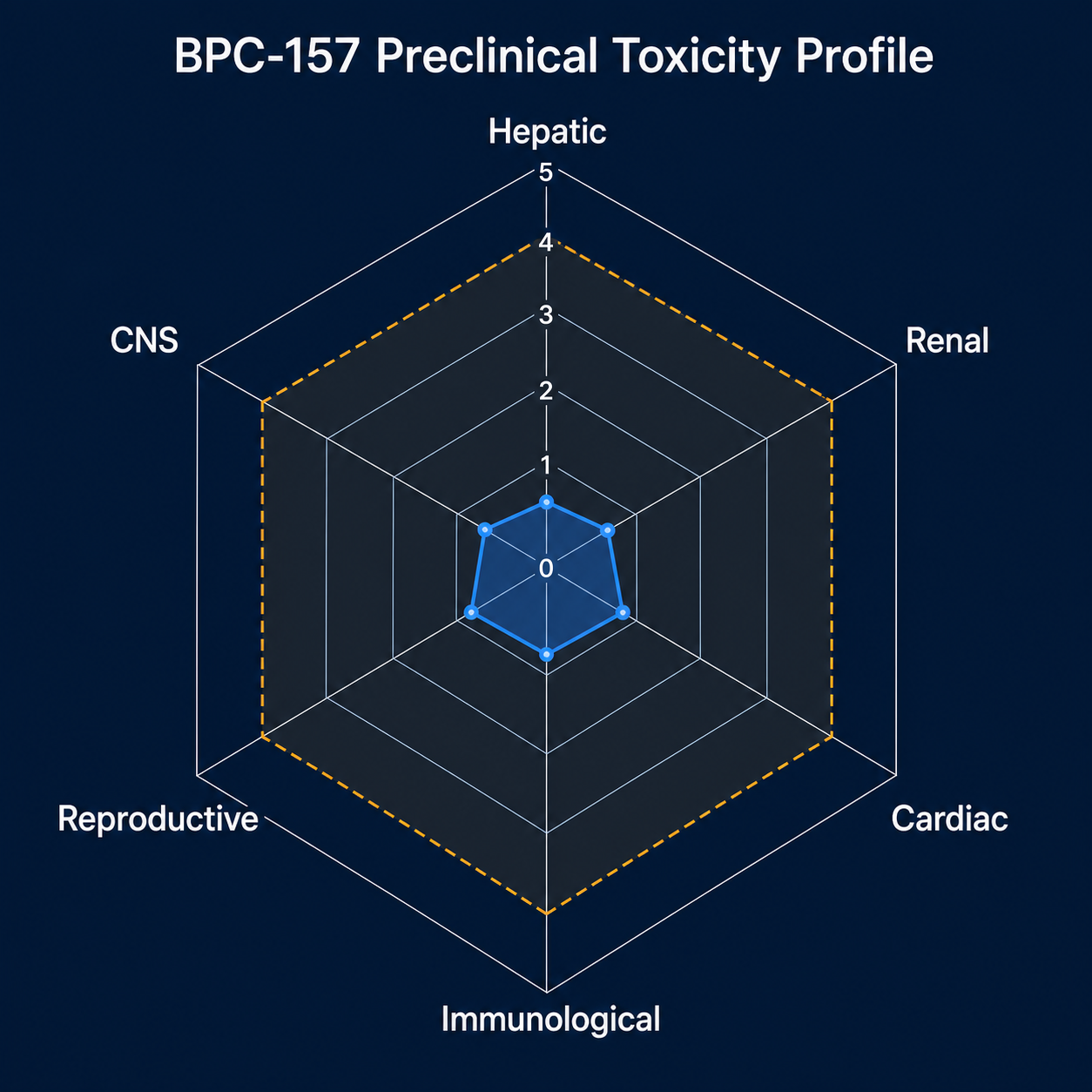
Published observations — not personal adverse-event coaching.
Published animal toxicology studies generally describe a wide therapeutic index for BPC-157 in rodent systems, with acute and sub-chronic models reporting minimal adverse signal at multiples of therapeutic-endpoint doses. This favourable preclinical toxicology profile supports continued mechanistic study but does not constitute a human safety certificate — long-term controlled human safety datasets for research-use BPC-157 remain limited.
From a theoretical standpoint, the angiogenesis pathway raises a study-design consideration in oncology-adjacent contexts. VEGF-mediated angiogenesis can have complex effects in pathological tissue environments where aberrant vascularisation is present. This is not a demonstrated adverse finding in the BPC-157 literature, but tumour-bearing or cancer-model protocols should address it explicitly in institutional ethics documentation.
Sports-science and exercise-physiology research contexts have a specific additional consideration: BPC-157 falls within the peptide class that WADA monitors, and its classification can change year to year, sometimes mid-year via Technical Documents. Researchers whose protocols involve athletic populations should independently verify the current-year classification at the WADA Prohibited List — this is a participant-eligibility and study-design matter separate from any therapeutic consideration.
08 · Comparison
How BPC-157 dosing talk differs from TB-500
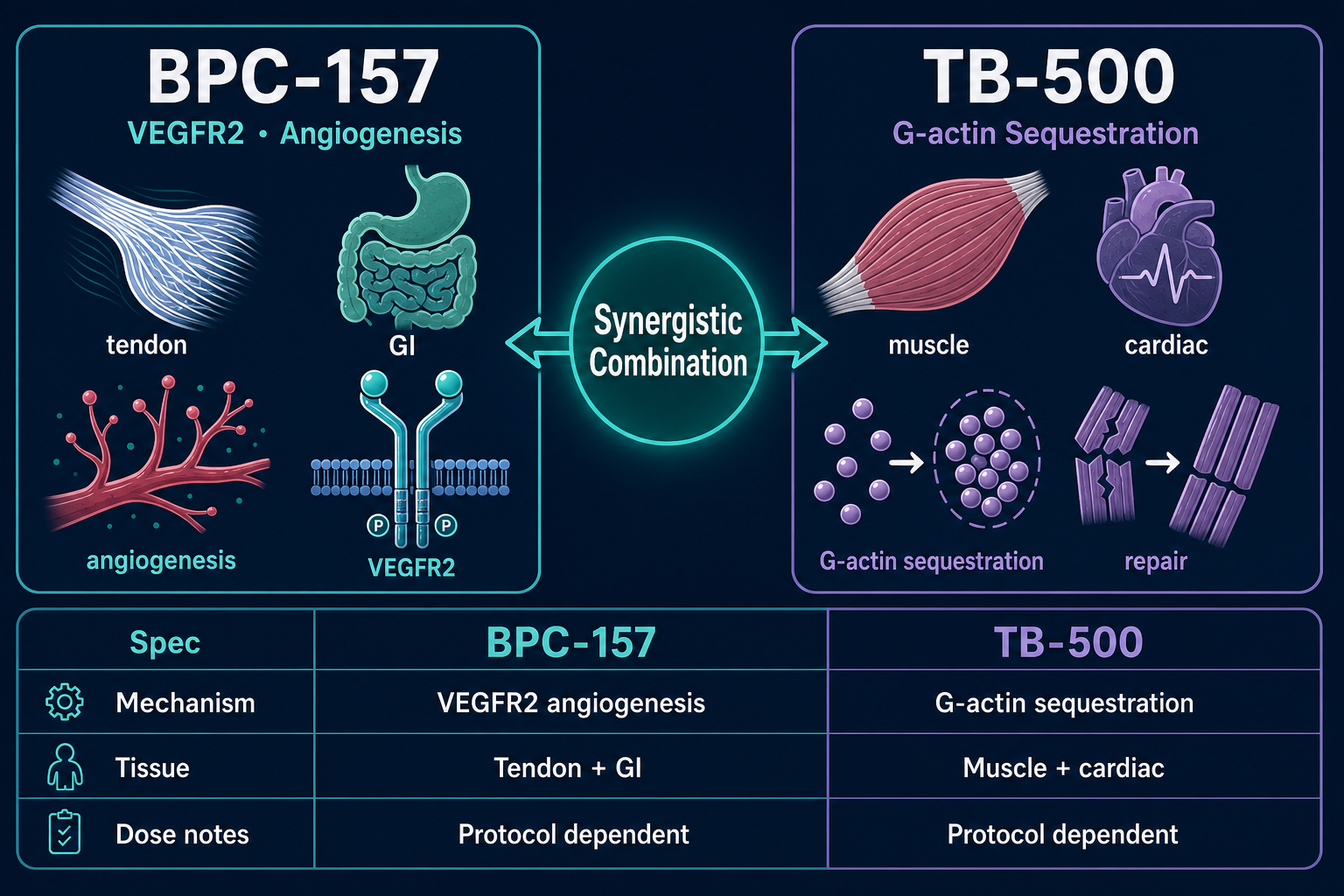
mcg-daily local-repair framing vs multi-mg loading/maintenance framing.
| Point | BPC-157 | TB-500 |
|---|---|---|
| Typical discussion scale | mcg / day | mg / week (loading then maintenance) |
| Pathway framing | Local repair / angiogenesis / GI / NO system | Actin dynamics / cell migration / Tβ4 biology |
| Evidence tier | Large preclinical corpus (GI + musculoskeletal) | Preclinical + Tβ4-adjacent biology |
| Half-life framing | Short — supports daily or split-daily schedules | Longer effective tissue window — supports weekly framing |
| Product docs | BPC-157 | TB-500 |
Half-life differences are a frequently overlooked driver of dose-schedule divergence. BPC-157’s short plasma half-life is one reason once-daily or twice-daily administration appears in preclinical studies — frequent dosing compensates for rapid clearance when researchers target sustained tissue exposure. TB-500’s different tissue distribution model (related to actin-sequestration biology) underpins the weekly or bi-weekly framing seen in community discussions. Mechanistic and pharmacokinetic differences drive schedule differences; substituting one compound for the other at the same nominal schedule will likely produce data incomparable to either compound’s established preclinical literature.
Full pathway comparison: BPC-157 vs TB-500. TB overview: TB-500 tissue repair research.
09 · FAQ
Frequently asked questions
Research-protocol questions only.
What dose ranges appear in published BPC-157 research?
Most published BPC-157 work uses animal models, commonly in the approximate range of 10–250 mcg/kg depending on species, route, and endpoint. These are preclinical research parameters, not validated human therapeutic doses.
Is there a standard human clinical BPC-157 dosing protocol?
No. As of 2026 there is no large, publicly established human clinical programme that defines an approved therapeutic dose for BPC-157. Informal research-discussion schedules are not clinical validation and must be labelled as non-validated community discussion.
How do researchers typically discuss daily mcg totals?
Informal laboratory discussion often clusters around 250–500 mcg total daily in multi-week soft-tissue models. Treat that cluster as community research discussion, not a trial-validated schedule.
How is a 5 mg BPC-157 vial reconstituted in lab protocols?
A common lab recipe adds 2 mL bacteriostatic water to a 5 mg lyophilised vial to yield 2.5 mg/mL (250 mcg per 0.1 mL). Use bacteriostatic water, not saline. Inject slowly down the inside wall of the vial and swirl gently — do not shake. Label the vial with date and concentration before refrigerating.
Once vs twice daily — what does the literature suggest?
Preclinical papers use both once-daily and split regimens depending on model design. BPC-157’s short plasma half-life makes split-dose designs theoretically relevant when sustained tissue exposure is the experimental goal. Frequency is an experimental variable to be cited from precedent papers — not a personal routine recommendation.
How is BPC-157 dosing discussed relative to TB-500?
BPC-157 discussion usually centres on daily mcg-scale local/angiogenesis-oriented models; TB-500 discussion more often uses multi-mg loading/maintenance patterns driven by different pharmacokinetics and actin-biology pathway framing. See the BPC-157 vs TB-500 comparison for pathway context. Do not substitute one compound’s schedule for the other without explicit pharmacokinetic rationale.
How should reconstituted BPC-157 be stored in UAE conditions?
Laboratory practice keeps reconstituted peptide refrigerated at 2–8 °C, protected from light, and used within roughly 28–30 days. Avoid freeze–thaw cycles — each one risks aggregation and concentration variability. UAE ambient temperatures can exceed 40 °C; lyophilised vials still require cold-chain handling during transit and storage.
Can BPC-157 be studied orally in research?
Some gastrointestinal models use oral administration because of the peptide’s gastric-origin literature — the route is mechanistically coherent for GI endpoint studies. Systemic bioavailability by oral route is debated in the literature. Route must match the experimental question; oral and parenteral models are not interchangeable for the same nominal dose, each requiring its own pharmacokinetic rationale.
What safety findings appear in toxicology literature?
Published animal toxicology reports generally describe a wide margin in rodent systems. Long-term controlled human safety data for research-use BPC-157 remain limited. Researchers should document monitoring plans and stopping rules appropriate to their institutional ethics framework, and address angiogenesis pathway considerations explicitly in oncology-adjacent protocol contexts.
Where can researchers source documented BPC-157 in the UAE?
Emirates Peptides supplies research-use BPC-157 with batch documentation context. Material is for laboratory research only — not for human consumption or therapeutic use. Review transit documentation and vial condition on receipt given UAE heat conditions during courier transit.
10 · References
References and research sources
Primary literature starting points — verify PDFs before citing in formal protocols.
- Sikiric P, et al. Focus on ulcerative colitis: stable gastric pentadecapeptide BPC 157. Curr Pharm Des. Multiple reviews summarise GI protective models. PubMed: BPC 157 Sikiric
- Seiwerth S, et al. BPC 157 and standard angiogenic growth factors. Vascular and wound-healing endpoints in preclinical systems; VEGF pathway discussion. PubMed: BPC 157 angiogenesis
- Chang CH, Tsai WC, et al. BPC 157 enhances tendon outgrowth and migration in fibroblast culture and rodent models; FAK/paxillin signalling discussed. PubMed: BPC 157 tendon
- Gwyer D, Wragg NM, Wilson SL. Gastric pentadecapeptide body protection compound BPC 157 and its role in accelerating musculoskeletal soft tissue healing. Cell Tissue Res. Review framing. PubMed search
- Kang EA, et al. BPC 157 and nitric oxide system interactions in gastrointestinal models; eNOS and nNOS endpoint papers. PubMed: BPC 157 NO
- Huang T, et al. Body protective compound-157 enhances alkali-burn wound healing in vivo and promotes cultured fibroblast migration. PubMed: BPC 157 wound
- Tkalcević VI, et al. Enhancement by BPC 157 of wound healing and angiogenesis. Preclinical vascular endpoints. PubMed search
- Keremi B, et al. Anti-inflammatory effect of BPC 157 on experimental periodontitis in rats (illustrative inflammatory model). PubMed search
- Jelovac N, et al. Pentadecapeptide BPC 157 attenuates gastric lesions and blood pressure disturbance induced by stress and NSAIDs (GI model corpus). PubMed search
- Sikiric P, et al. Brain-gut axis and BPC 157 (selected CNS/gut axis preclinical discussions). PubMed search
- Staresinic M, et al. BPC 157 and muscle healing after transection (musculoskeletal preclinical). PubMed search
- Cerovecki T, et al. Pentadecapeptide BPC 157 and Achilles tendon recovery models; collagen organisation endpoints. PubMed search
- Pevec D, et al. Impact of BPC 157 on blood vessels and angiogenesis markers in selected injury models. PubMed: BPC 157 VEGF
- Vukojevic J, et al. BPC 157 as a potential mediator of cytoprotection; mechanism-oriented reviews covering FAK and NO pathway evidence. PubMed search
- World Anti-Doping Agency. Prohibited List — peptide hormones, growth factors and related substances (verify current year list for BPC-157 classification status; updated annually and via Technical Documents). WADA Prohibited List
- ICH Q5C / general peptide stability guidance — cold-chain and reconstituted peptide handling principles for laboratory materials; freeze–thaw cycle impact on peptide integrity.
Glossary
| Term | Definition (research context) |
|---|---|
| Allometric scaling | Body-surface-area or weight-exponent method for converting animal mcg/kg doses toward human-equivalent reference ranges; requires pharmacokinetic correction beyond simple linear multiplication. |
| Angiogenesis | Formation of new blood vessels — a recurring endpoint family in BPC-157 preclinical papers. |
| BPC-157 | Synthetic 15-amino-acid peptide corresponding to a gastric-derived body protection compound sequence; studied across GI, musculoskeletal, and vascular preclinical models. |
| eNOS / nNOS | Endothelial and neuronal nitric oxide synthase isoforms — both discussed in BPC-157 mechanistic literature as potential pathway interaction points. |
| FAK/paxillin | Focal adhesion kinase and adaptor protein paxillin — signalling components associated with cell migration and matrix remodelling, discussed in BPC-157 fibroblast-model literature. |
| HED | Human-equivalent dose — allometric conversion tool; not a therapeutic prescription. |
| Lyophilised | Freeze-dried peptide powder form prior to reconstitution; more thermally stable than reconstituted solution but still requires cold-chain discipline in UAE heat. |
| mcg/kg | Micrograms per kilogram — common preclinical dosing unit for BPC-157; not directly transferable to human body-weight dosing without allometric correction. |
| RUO | Research use only — supply category for laboratory materials, not medicines. |
| VEGF | Vascular endothelial growth factor — discussed in some BPC-157 angiogenesis papers. |
Related reading
- BPC-157 UAE complete research guide
- TB-500 dosing protocol (draft sibling)
- BPC-157 vs TB-500 comparison
- BPC-157 + TB-500 UAE guide
- GLP-3 dosing protocol (benchmark)
- BPC-157 product page
- Peptide storage best practices
Disclaimer: All figures are from published research and laboratory reconstitution arithmetic. BPC-157 supplied by Emirates Peptides is for laboratory and in-vitro research use only. Not for human administration. Not approved for therapeutic use.
Was this article helpful?

🔬 Related Research Peptides
Explore Research-Grade Peptides
HPLC-verified, lab-tested peptides for your scientific research. Fast delivery across the UAE.
Browse All PeptidesRelated Articles



Emirates Peptides Research Team
A dedicated coalition of biochemists and clinical researchers focusing on advanced peptide synthesis and pharmacological applications. All data is verified against current clinical trials.