
Blog
BPC-157 UAE Research Guide: What the Evidence Shows—and What It Does Not


For research use only. Material is supplied as a lyophilized reference compound with HPLC purity verification.
- The short answer
- What is BPC-157?
- How strong is the BPC-157 evidence?
- How might BPC-157 work in experimental models?
- What does musculoskeletal research show?
01 · Short
The short answer
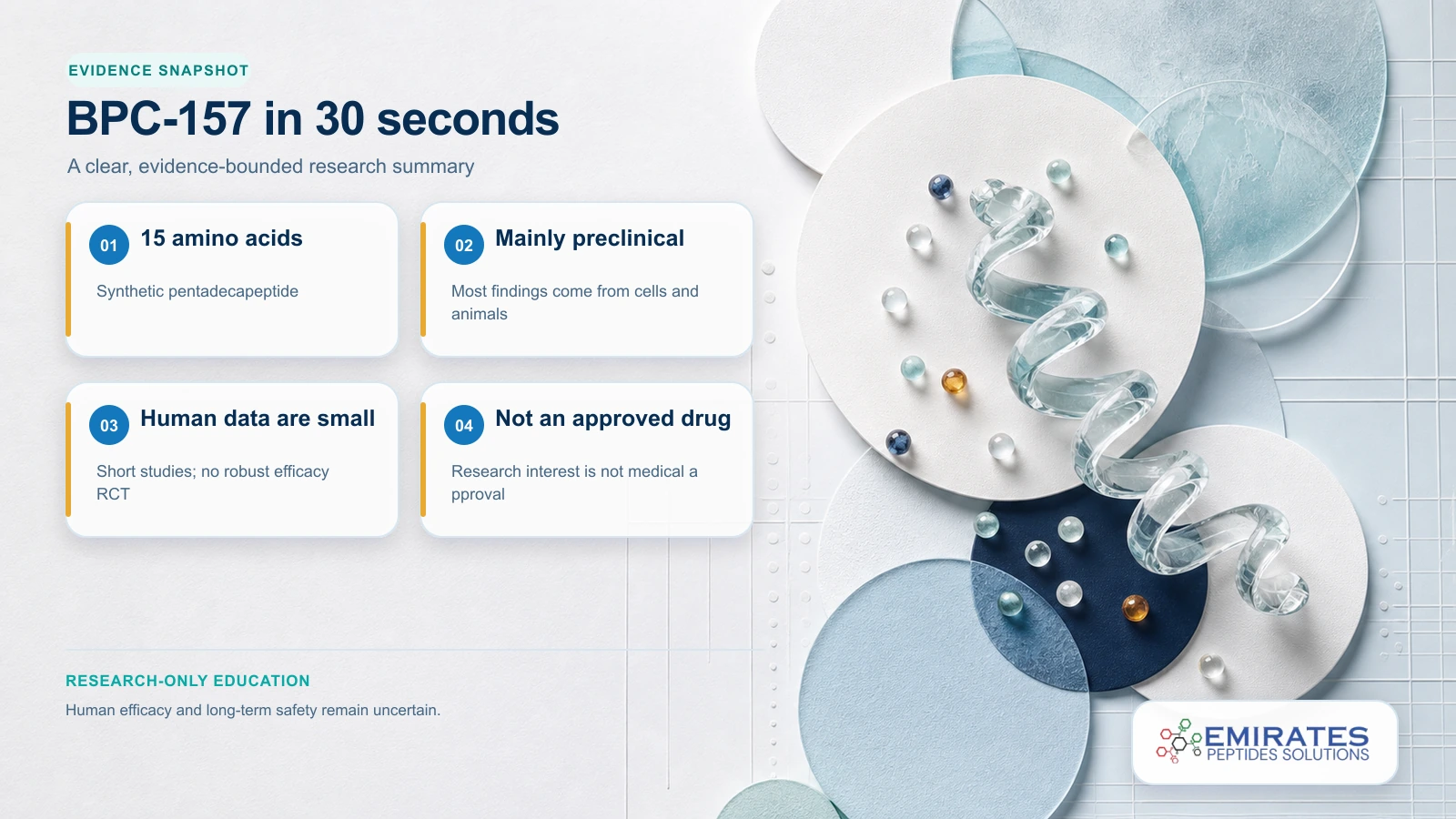
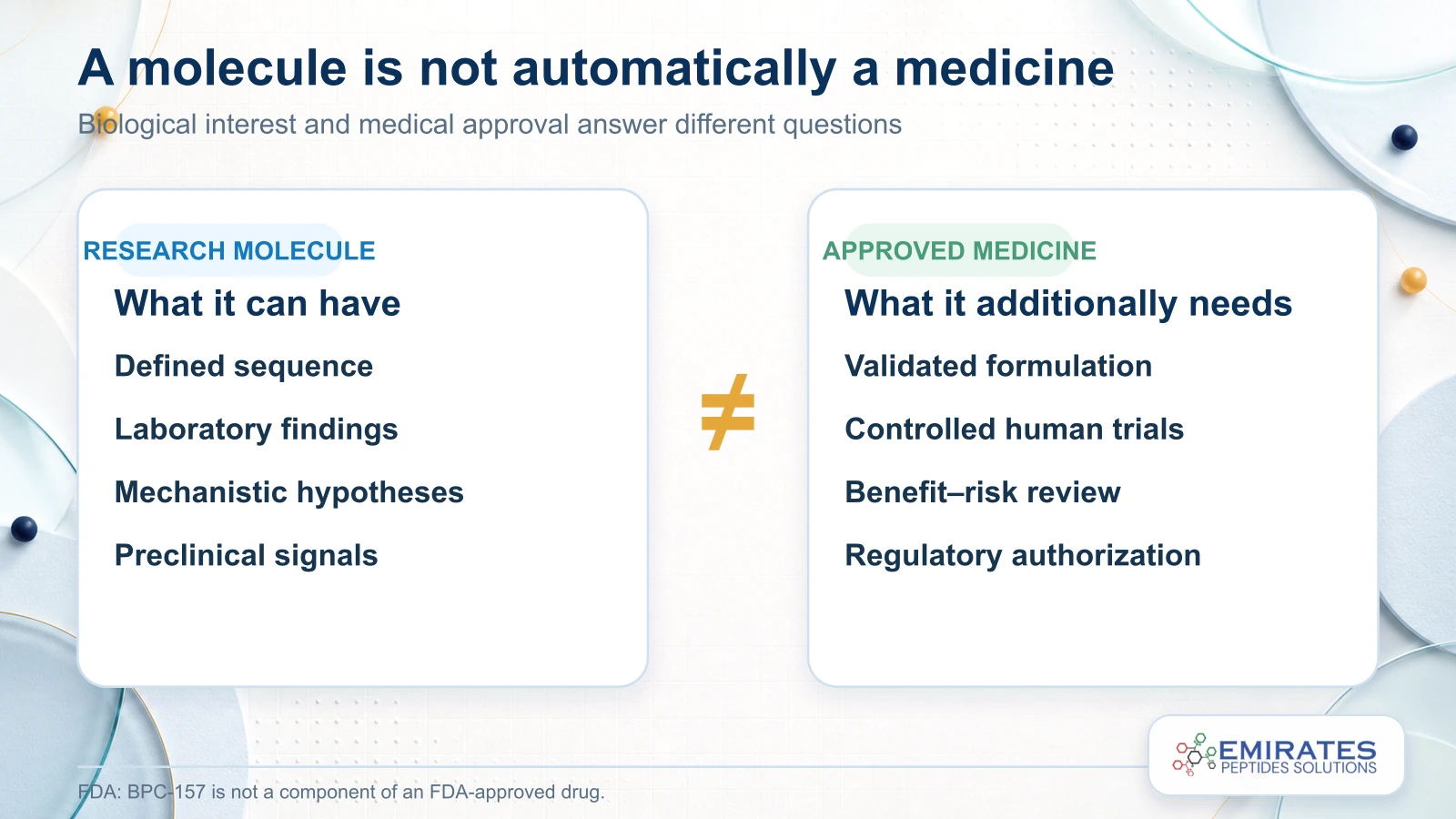
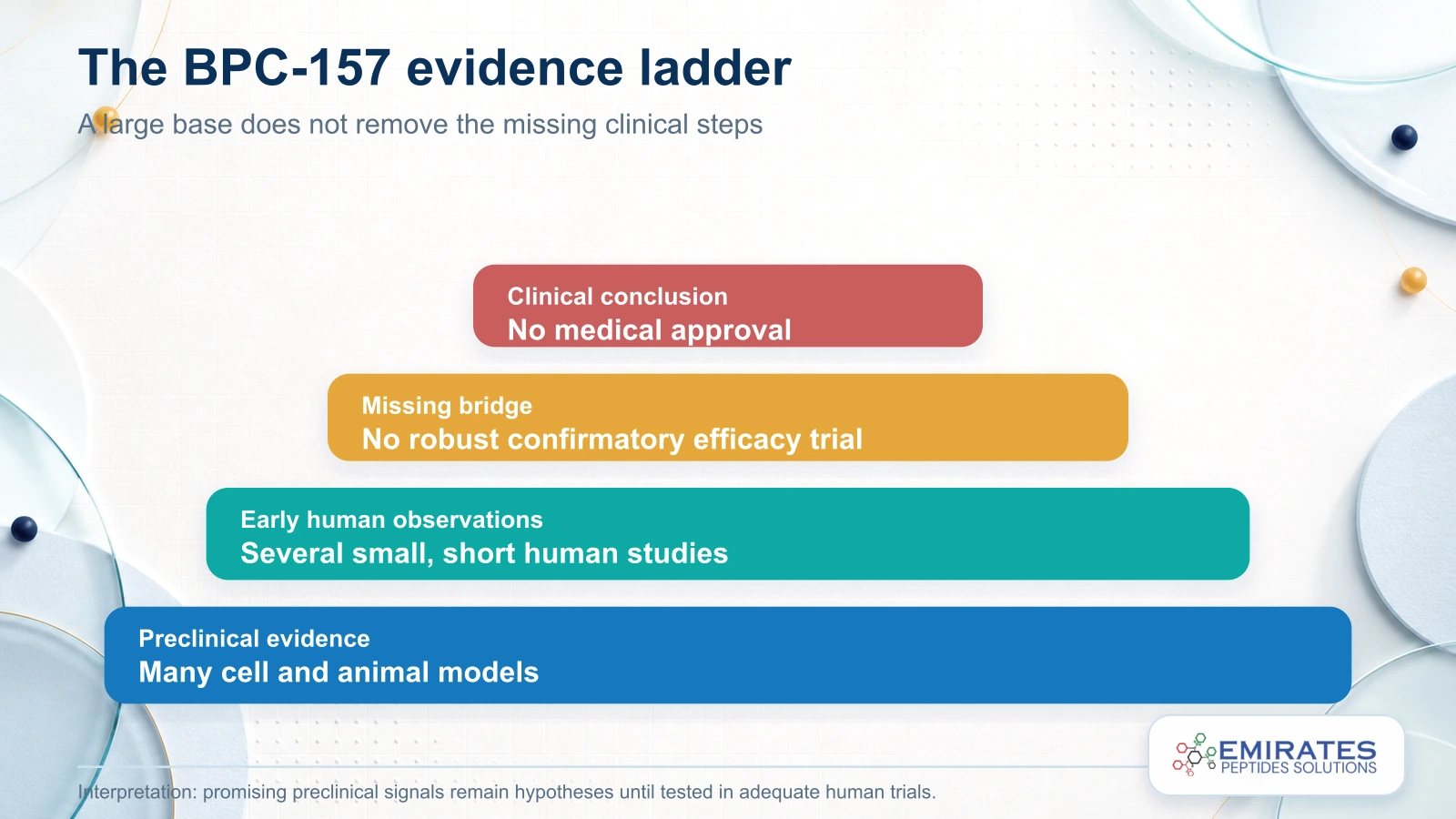
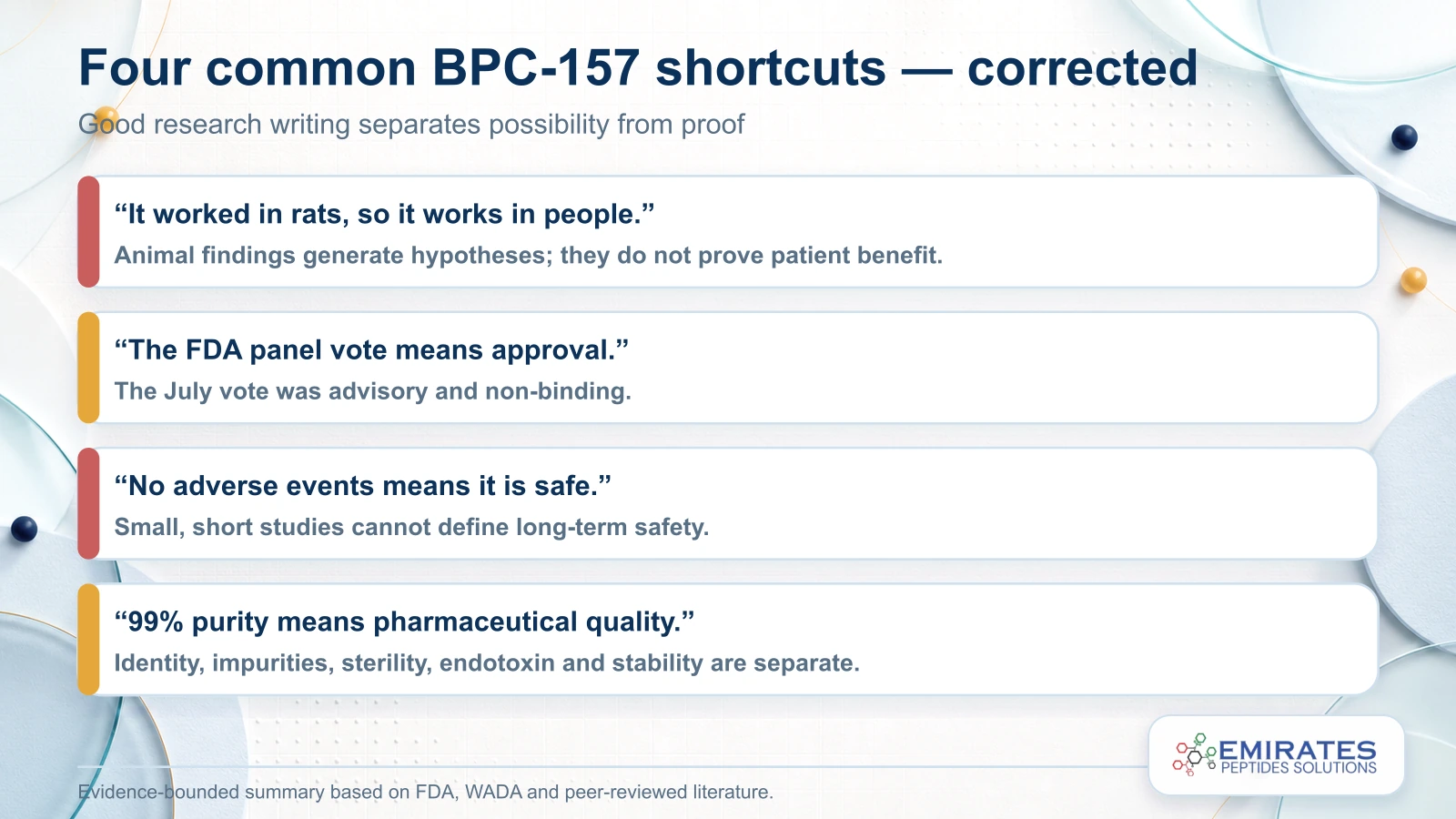
BPC-157 is a synthetic 15-amino-acid peptide with a substantial preclinical literature, especially in experimental tissue-injury, vascular and gastrointestinal models. The interesting biology is real; the clinical certainty is not. Human studies remain small and short, long-term safety is unresolved, no robust confirmatory efficacy trial has established a treatment benefit, and a 2026 advisory vote about compounding did not turn BPC-157 into an FDA-approved drug.
02 · BPC-157
What is BPC-157?
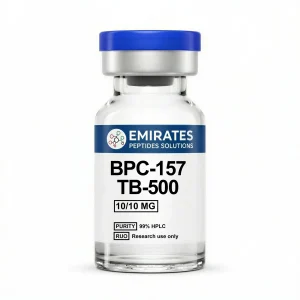
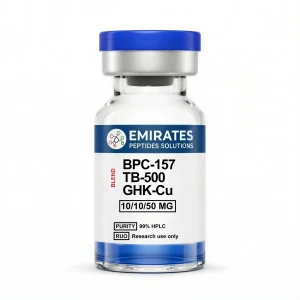
🔬 Research-grade peptides referenced in this article:
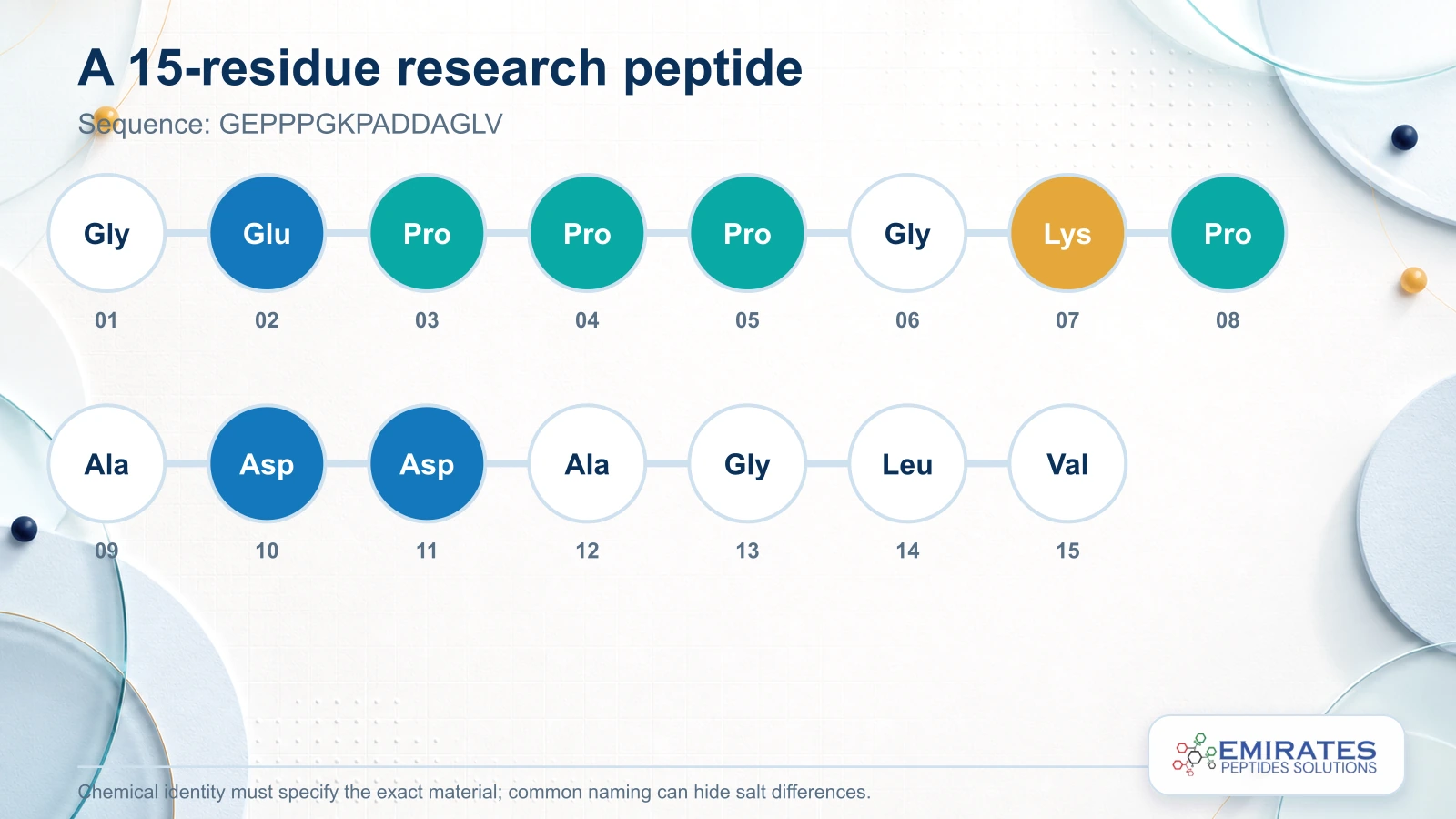
BPC-157 is commonly described as a synthetic pentadecapeptide: a chain of 15 amino acids represented by the sequence Gly-Glu-Pro-Pro-Pro-Gly-Lys-Pro-Ala-Asp-Asp-Ala-Gly-Leu-Val, or GEPPPGKPADDAGLV.
The name is often expanded as “Body Protection Compound 157.” Older papers describe the sequence as a fragment associated with protective material isolated from human gastric juice. That origin story is frequently shortened online into “a natural peptide your body makes,” but the material used in experiments and sold by research suppliers is synthetically manufactured. A research material should therefore be identified by its exact sequence, chemical form, counter-ion or salt, batch and analytical method—not by a nickname alone.
The number “157” is part of the compound’s historical research name. It does not mean the molecule contains 157 amino acids; the sequence contains 15.
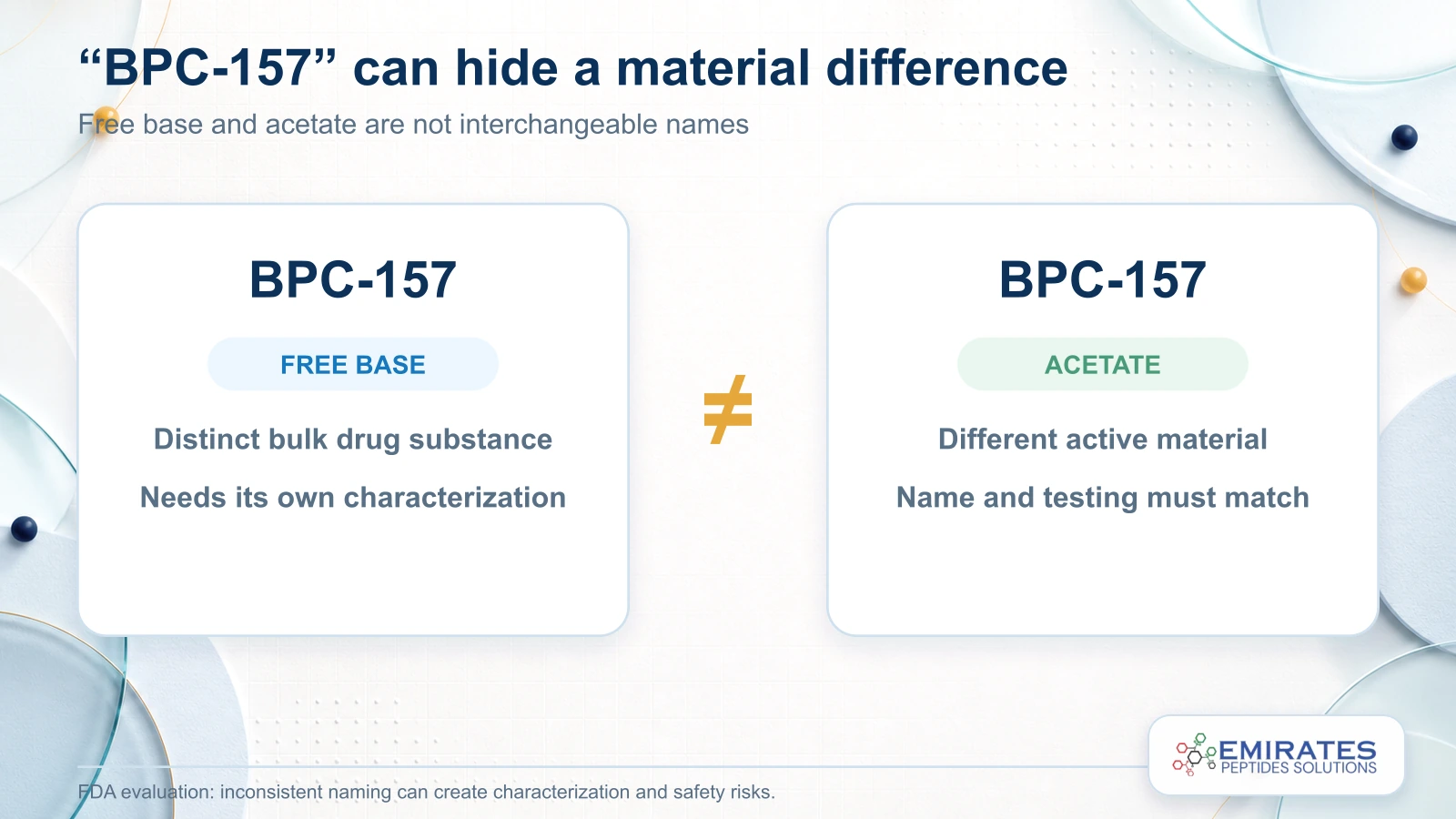
That distinction is not pedantic. FDA reported encountering multiple salts and derivatives marketed under the same common name and warned that inconsistent naming can make characterization—and therefore risk assessment—uncertain.[1] A document saying only “BPC-157” may not fully define the tested material.
03 · Strong
How strong is the BPC-157 evidence?
Latest research insights. No spam, ever.
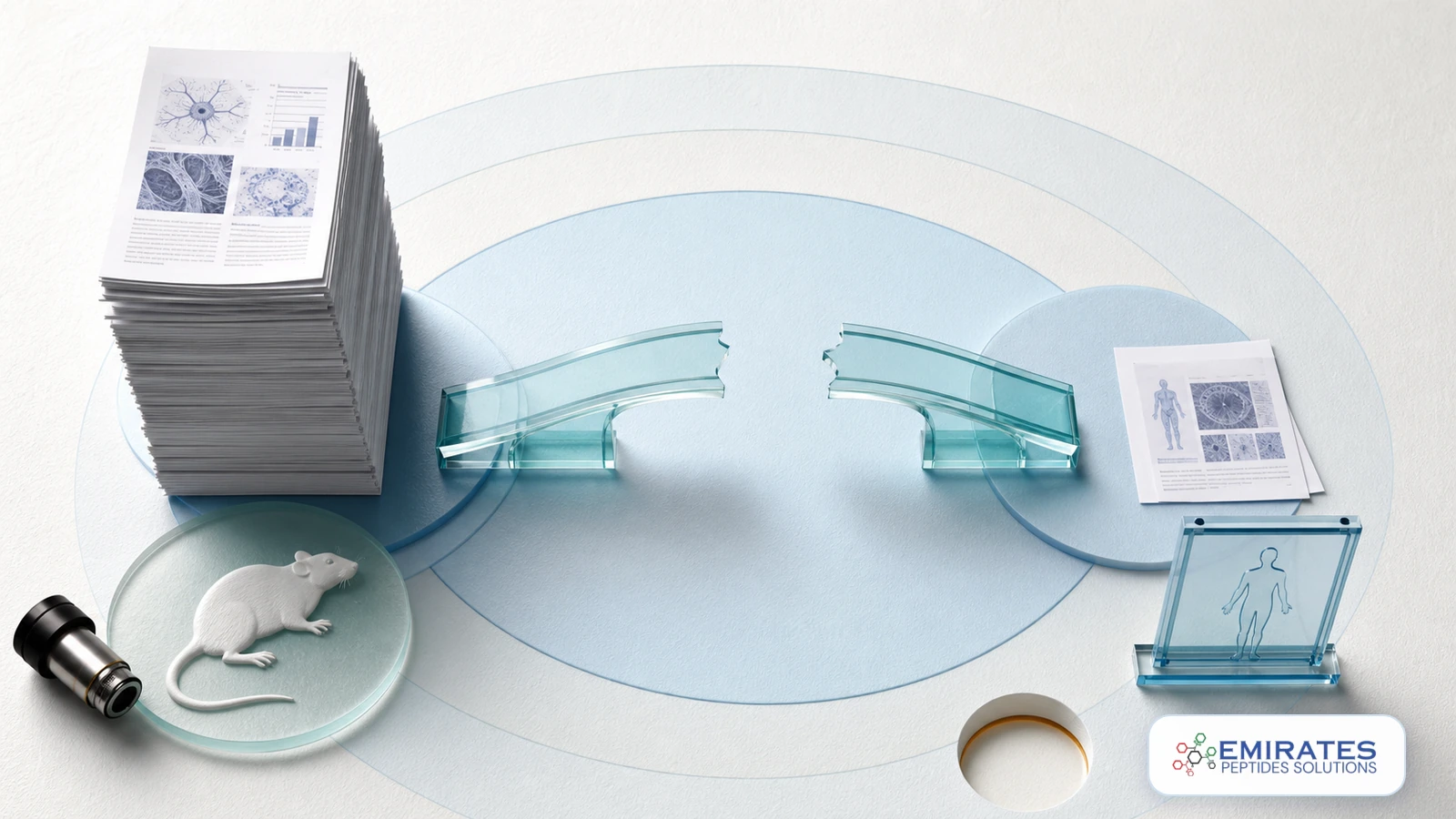
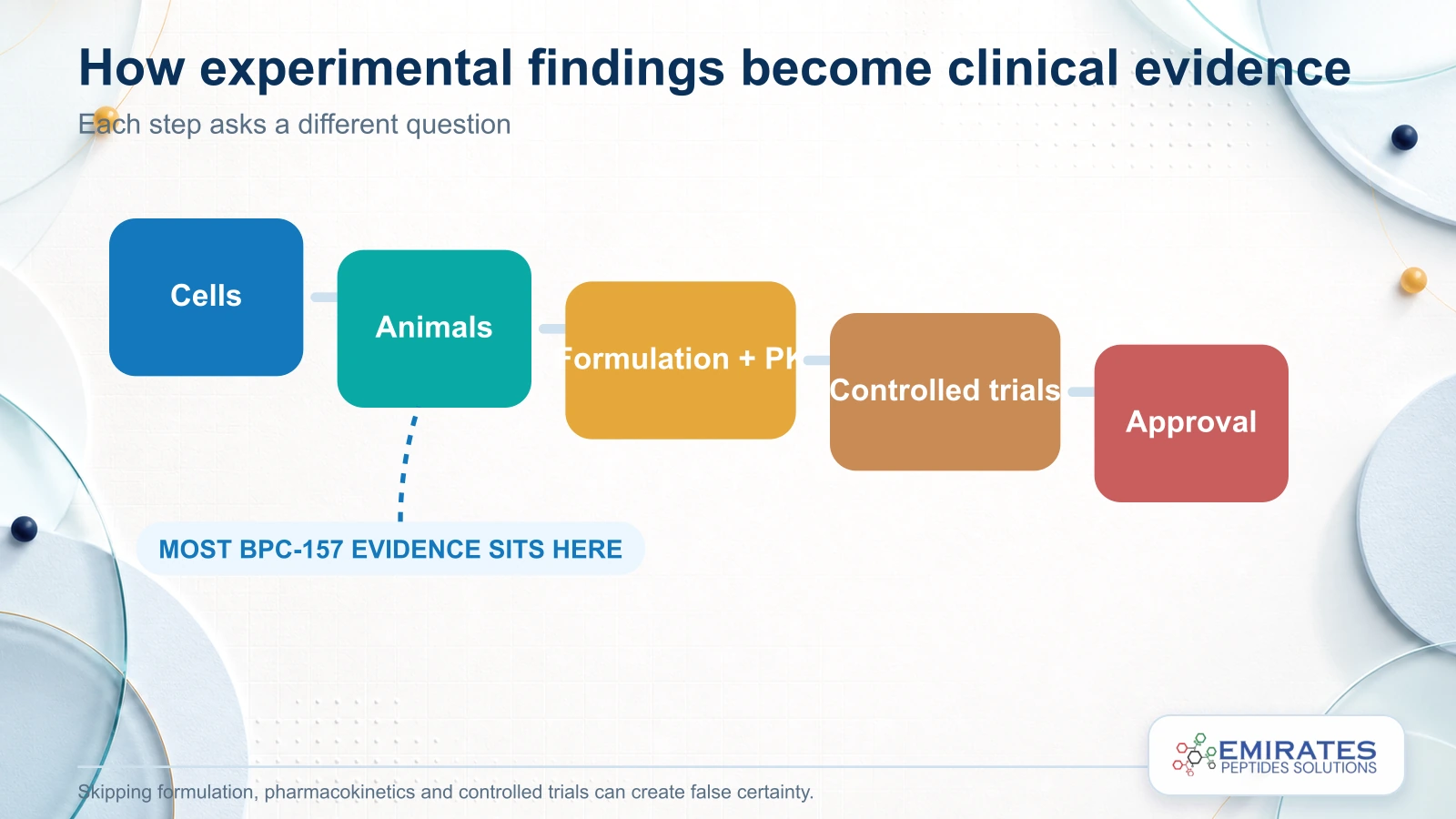
The evidence is best described as preclinically broad but clinically immature.
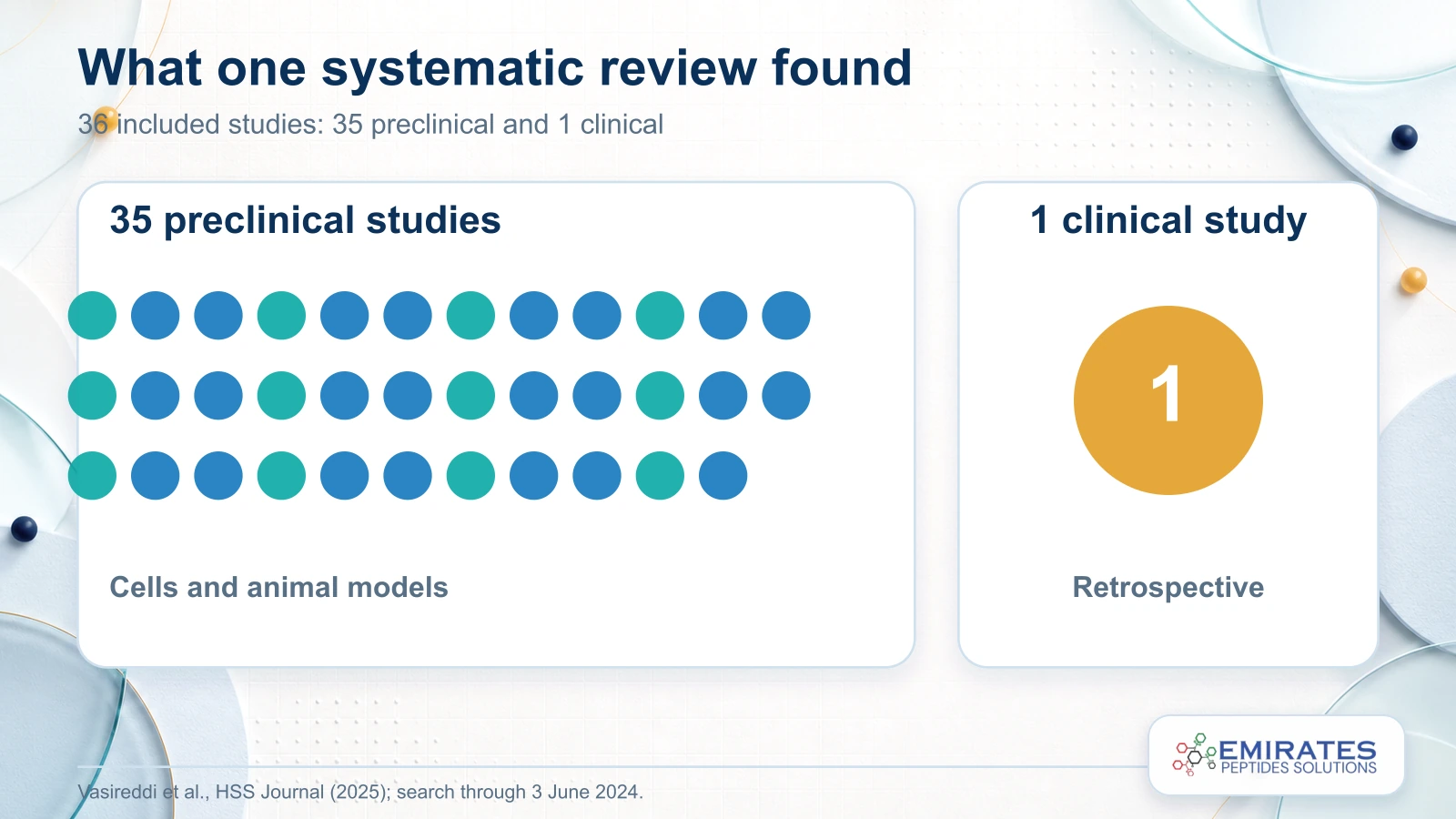
A 2025 systematic review focused on orthopaedic sports medicine screened literature through 3 June 2024 and included 36 studies: 35 preclinical studies and one clinical report.[5] That is a useful snapshot of the central imbalance. Many experiments ask whether something happens in cells, isolated tissues or animals. Far fewer studies ask whether a standardized preparation safely produces a meaningful benefit in people.
Evidence quality is not decided by the number of positive-looking papers alone. Important questions include randomization, blinding, comparison group, sample size, prespecified outcomes, validated measurement tools, product characterization, independent replication, follow-up length and whether results are reported in full rather than only in a conference abstract.
04 · Might
How might BPC-157 work in experimental models?
No single, universally validated receptor mechanism explains every reported finding. The literature instead describes several interacting pathways, many investigated in cultured cells, isolated tissues or animal injury models.
VEGFR2, Akt and eNOS signalling
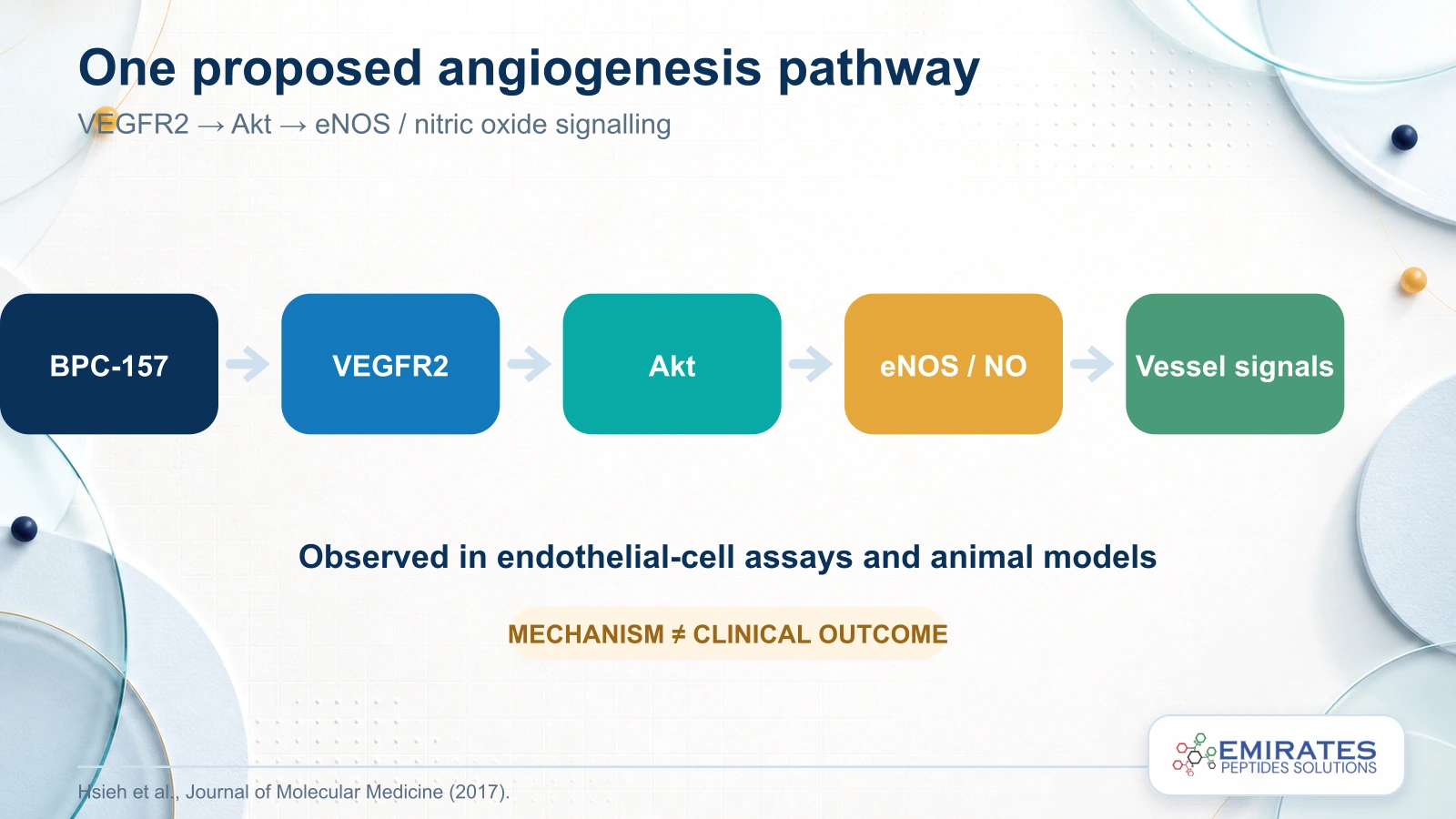
A 2017 study using endothelial-cell assays, a chick chorioallantoic membrane assay and a rat hind-limb ischemia model reported increased VEGFR2 expression and activation of VEGFR2–Akt–eNOS signalling alongside experimental angiogenesis outcomes.[11] Earlier muscle and tendon work examined VEGF, CD34 and factor VIII patterns during healing.[14]
Angiogenesis is context-dependent
Angiogenesis means the formation or remodeling of blood vessels. It is essential in normal healing, but it is also a tightly regulated biological process whose relevance depends on tissue, disease state, timing and model. A 2026 cell-and-rat study proposed an FBXO22–BACH1 mechanism involved in endothelial proliferation and tube formation.[12] This is mechanistically interesting, but it does not establish that manipulating the pathway produces a safe or useful clinical outcome in humans.
Fibroblast migration and stress survival
In rat tendon-derived fibroblasts and tendon explants, BPC-157 was associated with outgrowth, cell survival under oxidative stress and migration, with FAK–paxillin signalling proposed as part of the mechanism.[13] Another cell study reported increased growth-hormone-receptor expression in rat tendon fibroblasts.[17] These are laboratory observations, not evidence that a specific consumer product repairs a human tendon.
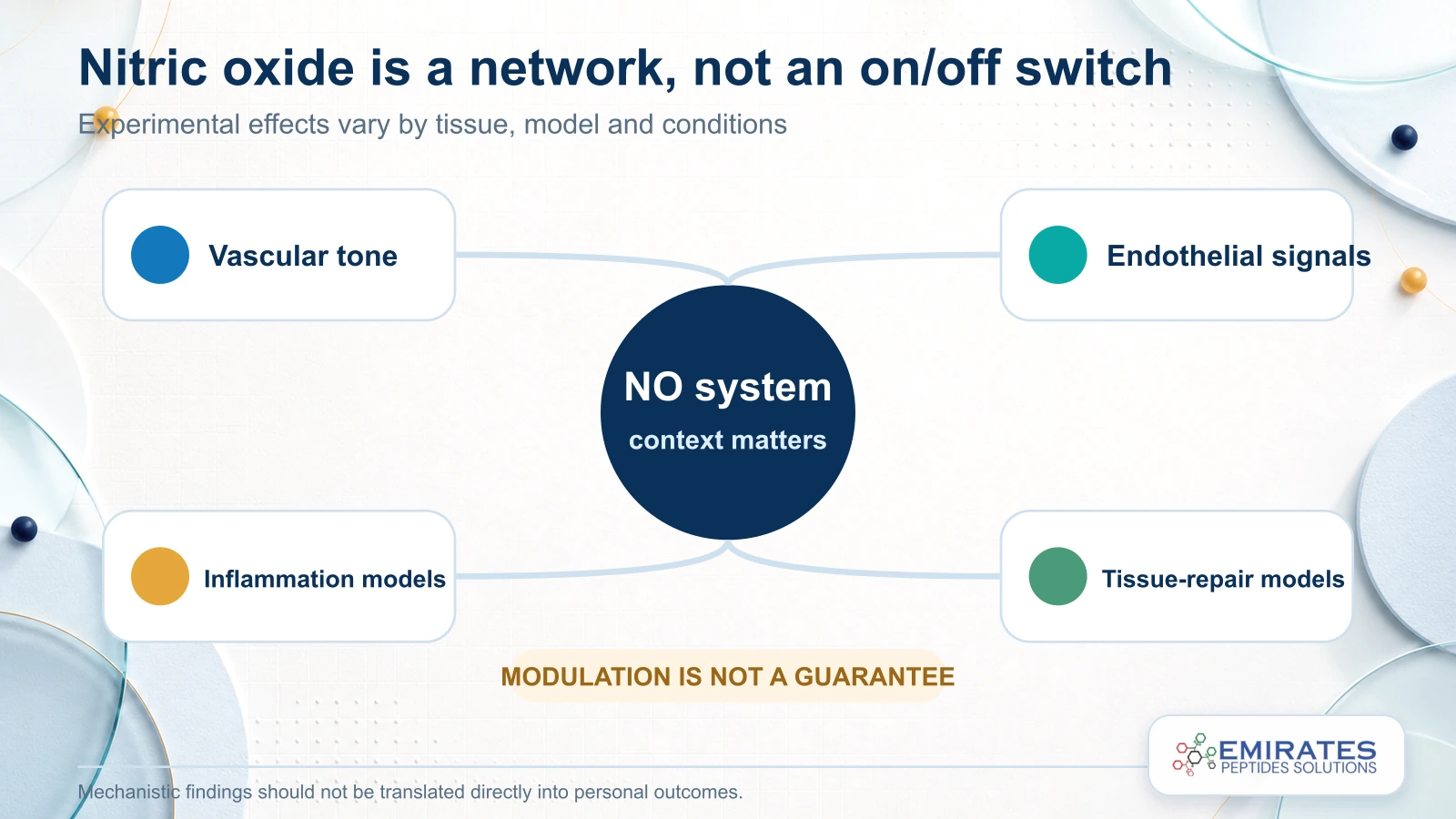
A 2026 ex-vivo study reported concentration-dependent relaxation in human internal mammary artery rings and implicated endothelium-dependent nitric-oxide signalling.[16] “Human tissue” here means isolated arterial tissue studied outside the body. It is not a clinical trial and should not be described as proof of a cardiovascular benefit.
05 · Musculoskeletal
What does musculoskeletal research show?
BPC-157 has produced positive signals across tendon, ligament, muscle and bone models, but the persuasive-looking results are predominantly preclinical.
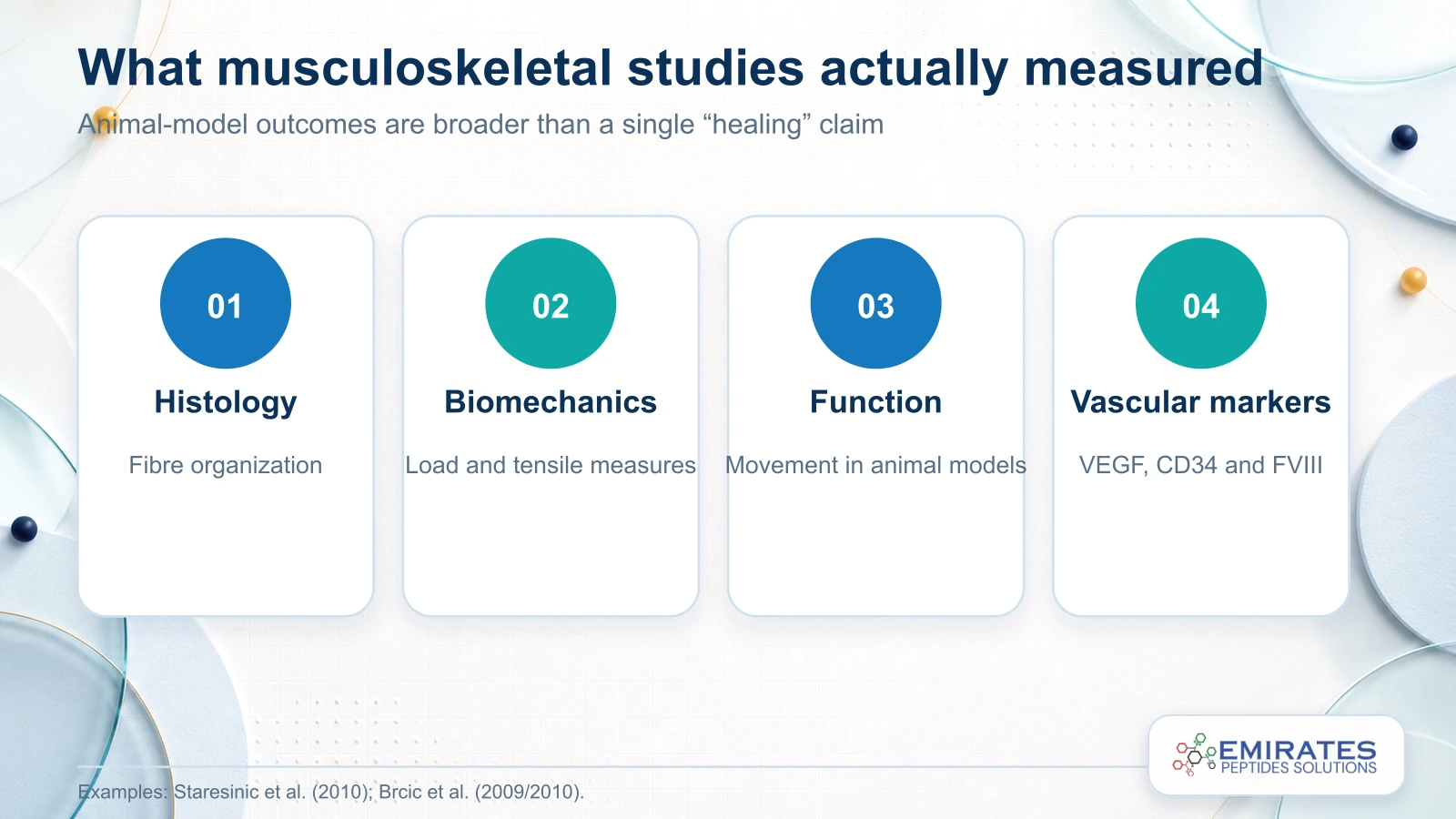
Rat Achilles-tendon experiments reported differences in functional indices, histology and biomechanical measures after transection.[18] A rat medial-collateral-ligament study assessed functional, biomechanical, macroscopic and histological outcomes over 90 days.[15] Other work investigated muscle and tendon vascular markers or fibroblast behavior.[13][14]

The main human musculoskeletal report is a retrospective chart review from one private clinic. Investigators identified 17 people with knee pain, reached 16 by phone, and reported improvement among many respondents after intra-articular BPC-157 alone or combined with thymosin-beta-4.[6] However, diagnoses varied, follow-up varied, treatment was not randomized or blinded, some participants received a second peptide, and the study used no standardized functional, quality-of-life or imaging outcome. It is a signal worth testing, not a definitive efficacy result.
06 · Gastrointestinal
What does gastrointestinal research show?
BPC-157 originated in gastric-protection research, and experimental publications span mucosal injury, fistula, colitis and drug-induced gastrointestinal damage models. The biological theme is plausible: barrier integrity, inflammatory signaling, vascular responses and cytoprotection are connected. But the evidence needs to be described by model rather than collapsed into the marketing phrase “gut healing.”

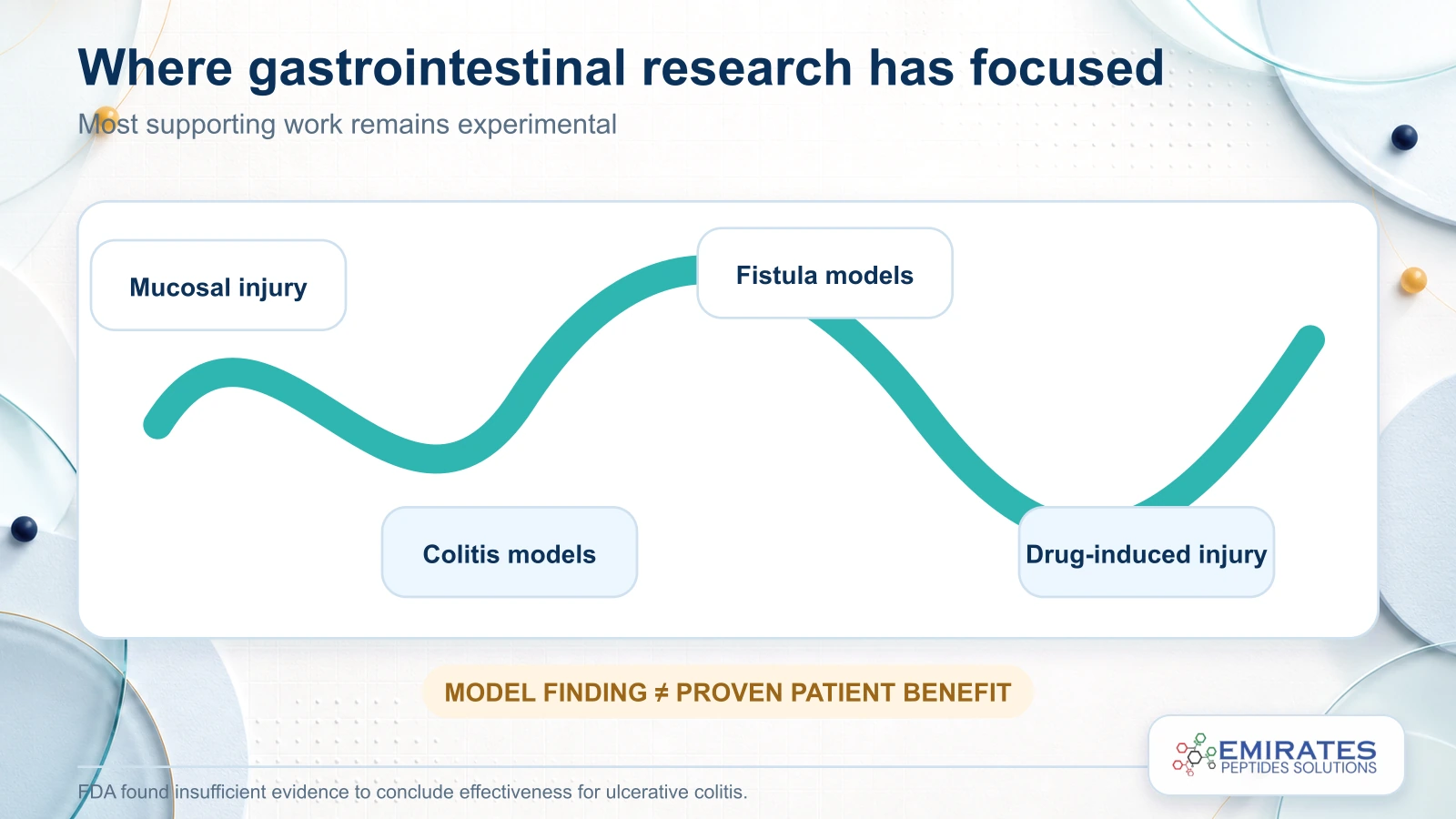
FDA’s 2026 review evaluated free base and acetate for ulcerative colitis. Staff concluded there was insufficient evidence to determine effectiveness and proposed against adding either material to the 503A Bulks List.[1] The human ulcerative-colitis evidence FDA located included a short randomized study reported as a meeting abstract. An abstract can be informative, but it lacks the methodological detail and peer-review depth of a full report.
07 · Human
What human studies actually exist?
FDA searched PubMed, Embase, ClinicalTrials.gov and other sources for its May 2026 briefing. It identified five clinical reports using BPC-157, while noting that the articles generally did not clearly identify free base versus salt.[1] The studies differed in population, route, preparation and outcome, so they cannot be treated as one coherent clinical program.
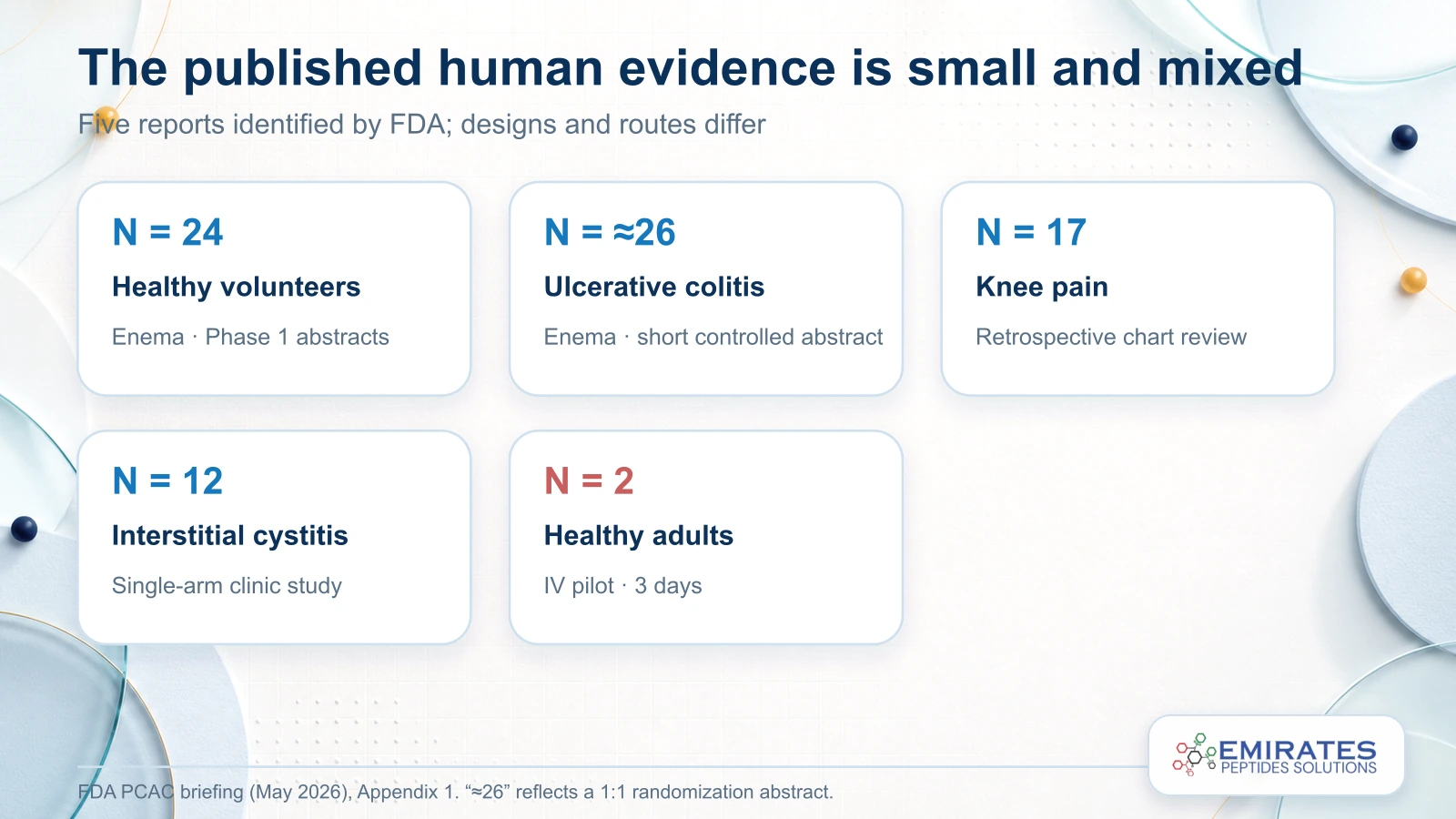
| Report | Design | Participants | What it can tell us | Major limitation |
|---|---|---|---|---|
| Healthy-volunteer enema abstracts | Placebo-controlled phase 1, meeting abstracts | 32 randomized; 24 received BPC-157 | Short tolerability and limited pharmacokinetic observations | No full paper; short duration |
| Ulcerative-colitis enema abstract | Randomized, double-blind, placebo-controlled, meeting abstract | 53 randomized; 46 completed | Early signal in a defined disease setting | Full methods and results unavailable |
| Knee-pain chart review | Retrospective, telephone follow-up | 17 identified; 16 contacted | Hypothesis-generating real-world observation | No control, varied diagnoses, mixed treatment |
| Interstitial-cystitis pilot | Single-arm clinic study | 12 women | Early feasibility and self-reported symptom signal | No control or blinding; single procedure |
| IV pilot | Single-arm, three-day safety pilot | 2 adults | Very limited short-term tolerability observation | Only two prior users; no control; no long follow-up |
The two-person IV pilot reported no adverse effects after two infusions over three days.[7] That is not enough to establish safety. The participants had previously received IV BPC-157, there was no placebo group, and rare or delayed harms could not be detected.
The 12-person interstitial-cystitis study reported symptom improvement and no adverse events after one procedure.[8] Again, without randomization, blinding or a comparator, expectancy effects, selection effects, natural fluctuation and measurement bias cannot be separated from a treatment effect.
FDA also identified a registered phase 1 oral study with a planned enrollment of 42, but reported that no results were posted and no associated published study was found as of its search.[1] An unreported trial cannot be counted as positive or negative evidence.
08 · Known
What is known about pharmacokinetics?
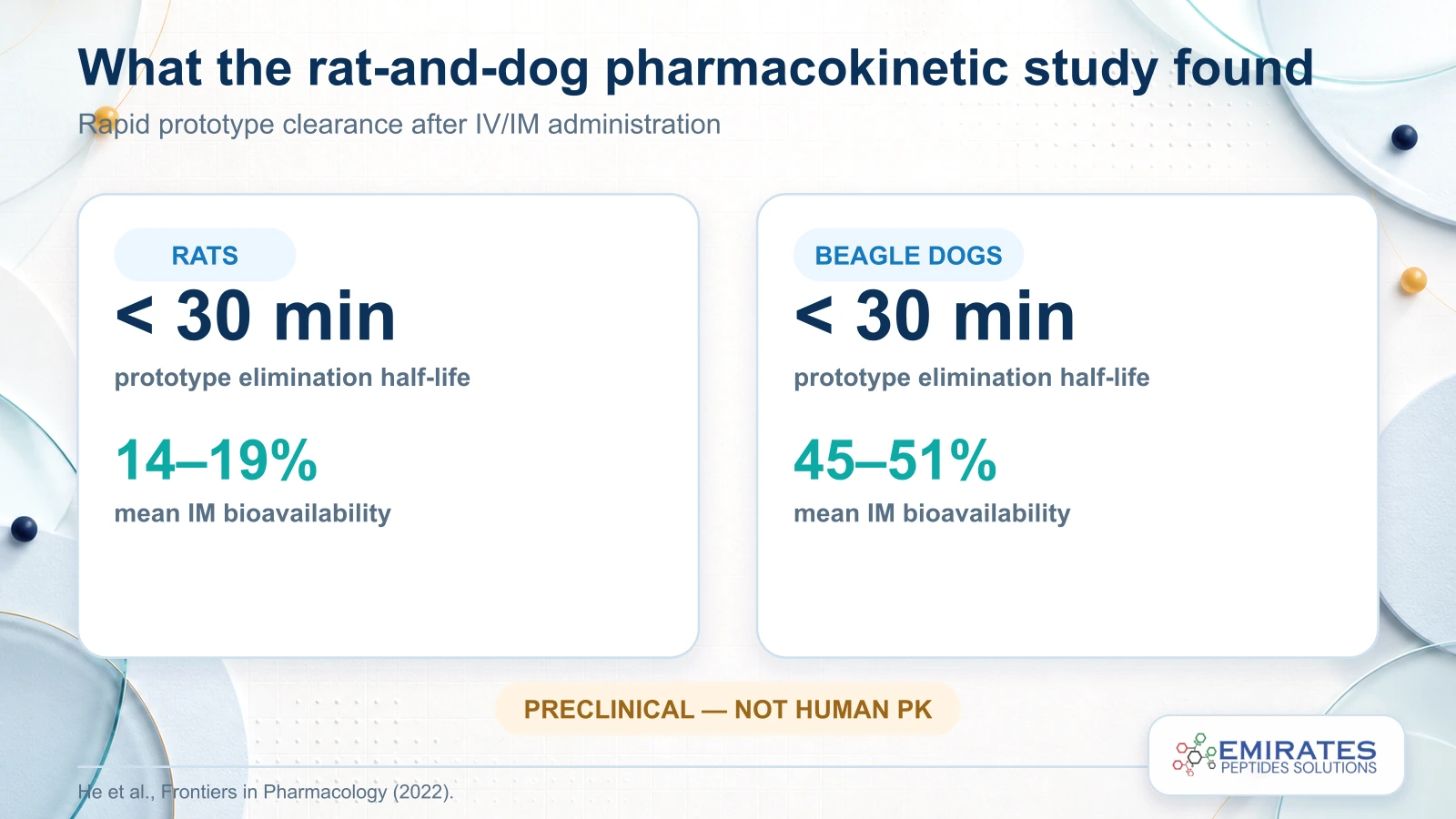
One formal study examined absorption, distribution, metabolism and excretion in rats and beagle dogs after intravenous and intramuscular administration. It reported a prototype elimination half-life below 30 minutes and mean absolute intramuscular bioavailability of approximately 14–19% in rats and 45–51% in dogs.[9] Radioactivity was eliminated through urine and bile after metabolism into smaller fragments.
FDA found no human pharmacokinetic data after oral, subcutaneous, nasal or transdermal administration in its 2026 search.[1] Two enema studies reported plasma levels below detection or quantification in many samples, but those observations do not define systemic exposure for other routes.
Why this matters: a route, dose or schedule borrowed from an animal experiment is not a validated human protocol. Differences in formulation, species, exposure and outcome can change both benefit and risk.
09 · Known
What is known—and unknown—about safety?
The correct conclusion is not “BPC-157 is known to be dangerous” or “BPC-157 is proven safe.” The correct conclusion is that the human safety database is too limited to define the risk profile confidently.
A 2020 preclinical program reported no serious toxicity across tested mouse, rat, rabbit and dog studies under the conditions examined.[10] Those results matter, but they do not replace human data and do not cover every possible material, impurity profile, route, duration or population.
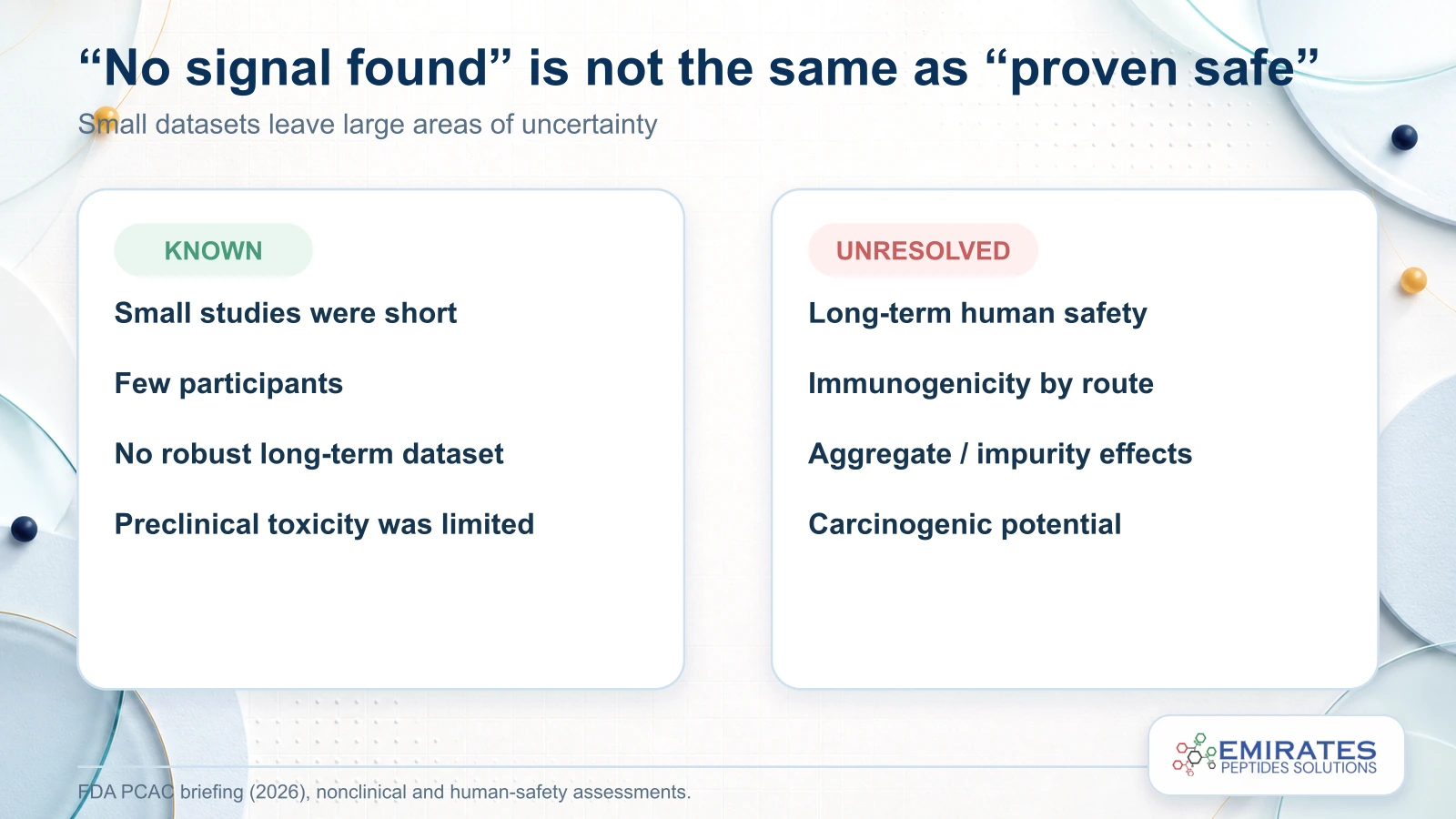
FDA highlighted several unresolved areas in 2026:
- small and short clinical studies with limited safety reporting;
- unclear product identity in published reports;
- potential immunogenicity from the peptide, aggregates or peptide-related impurities;
- incomplete nonclinical toxicology for nominated routes and durations;
- lack of information sufficient to assess carcinogenic potential;
- quality concerns when purity results do not identify or control individual impurities.
FDA’s adverse-event searches retrieved a small number of reports, but the agency explicitly cautioned that spontaneous reports cannot establish causality and are subject to under-reporting, missing detail and confounding.[1] Neither “three reports” nor “only three reports” should be used as a reliable incidence estimate.
10 · July
What did the July 2026 FDA advisory vote mean?
On 23 July 2026, FDA’s Pharmacy Compounding Advisory Committee voted 8–6, with one abstention, to recommend including BPC-157-related bulk drug substances on the section 503A Bulks List.[3] The committee vote went against FDA staff’s written recommendation, which had weighed characterization, effectiveness and safety information against listing.[1]
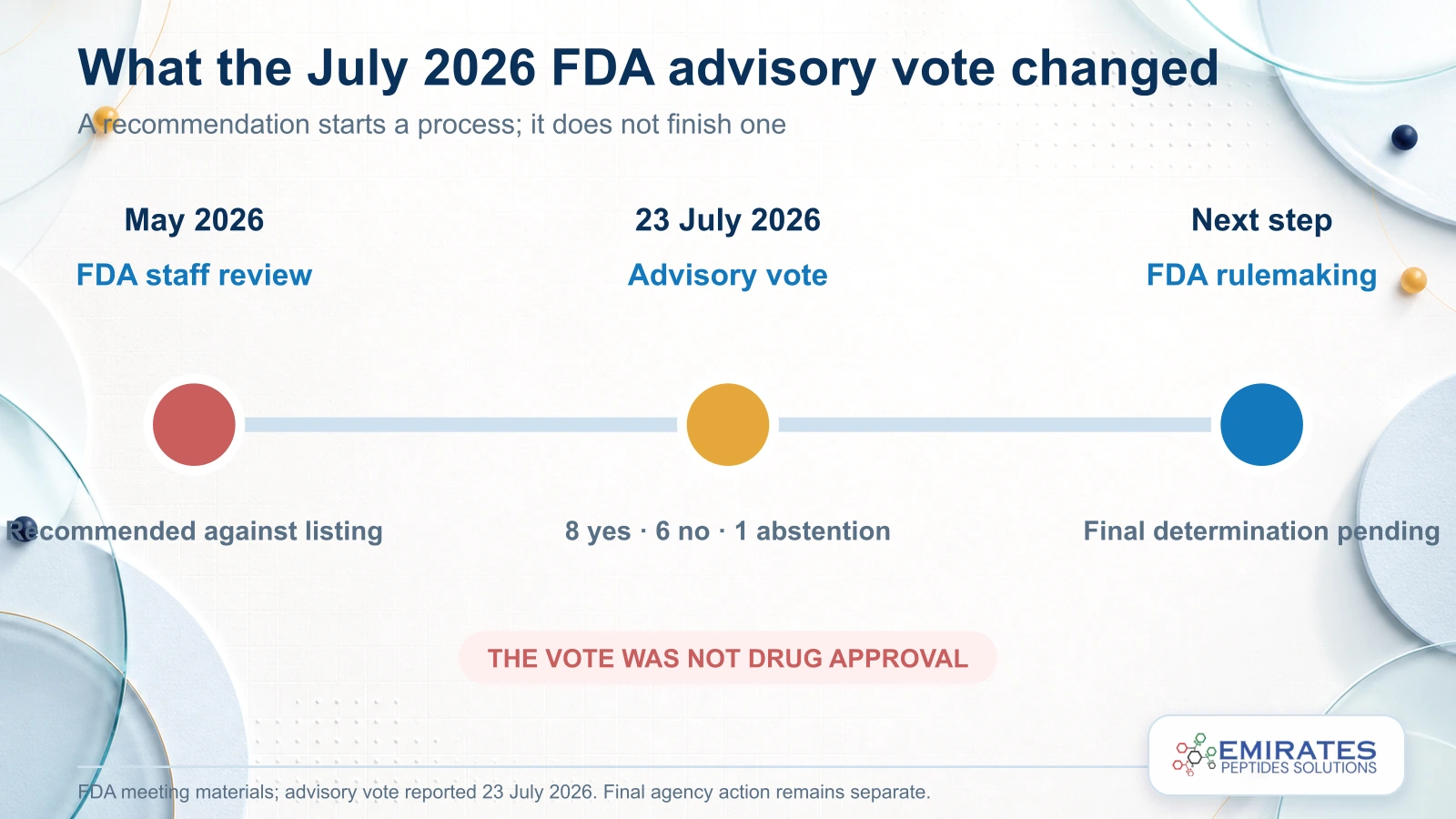
What did not happen: FDA did not approve BPC-157 for ulcerative colitis, tendon injury, “recovery,” pain or any other indication. The vote did not establish a standardized formulation, validated dose, proven effectiveness or long-term safety. Final agency action and any rulemaking are separate from the committee recommendation.[2]
11 · BPC-157
Is BPC-157 prohibited in sport?
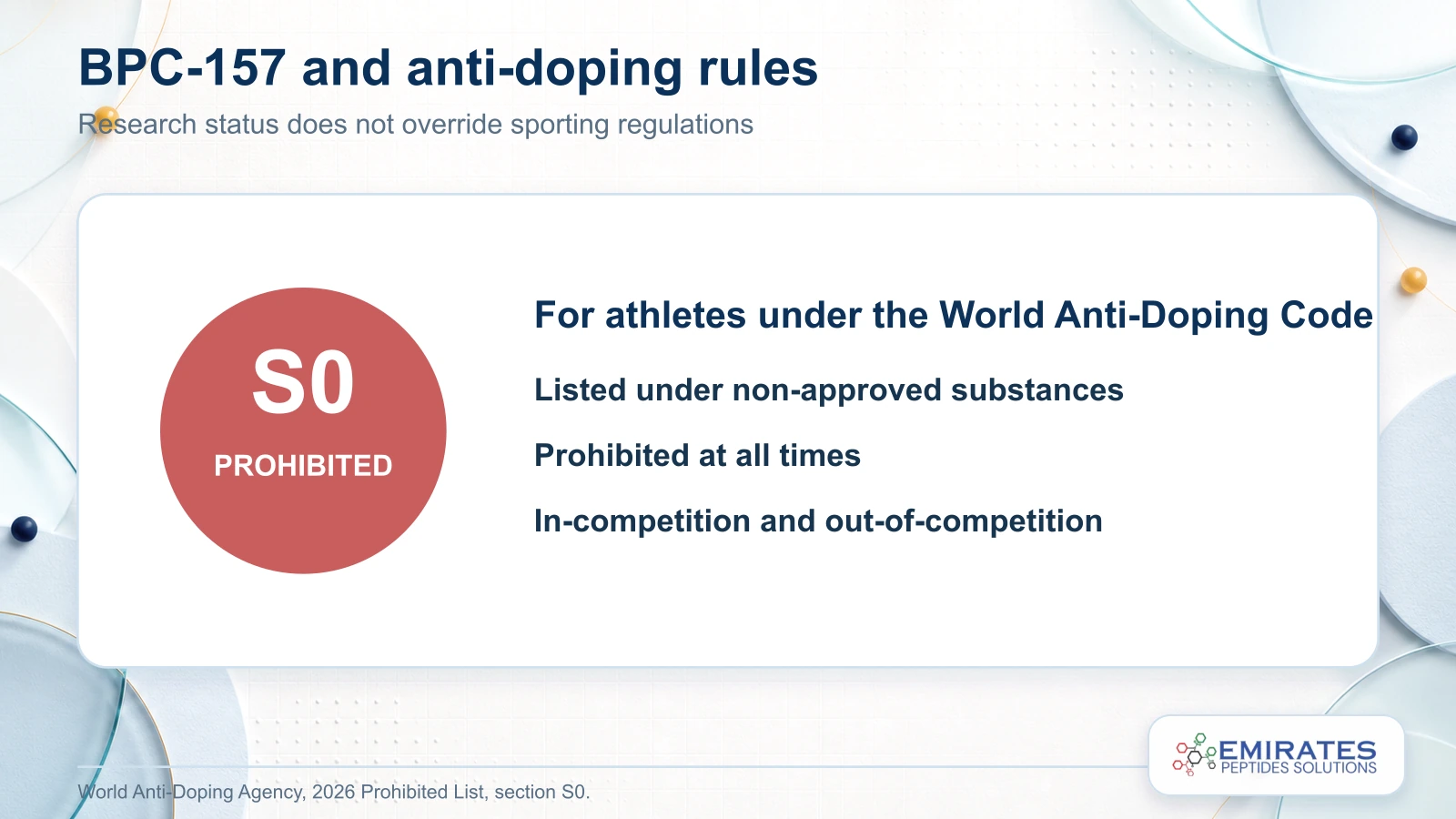
Yes. The World Anti-Doping Agency lists BPC-157 under section S0, Non-Approved Substances. It is prohibited at all times—both in and out of competition—for athletes subject to the World Anti-Doping Code.[4]
12 · Laboratory
What should a laboratory verify?
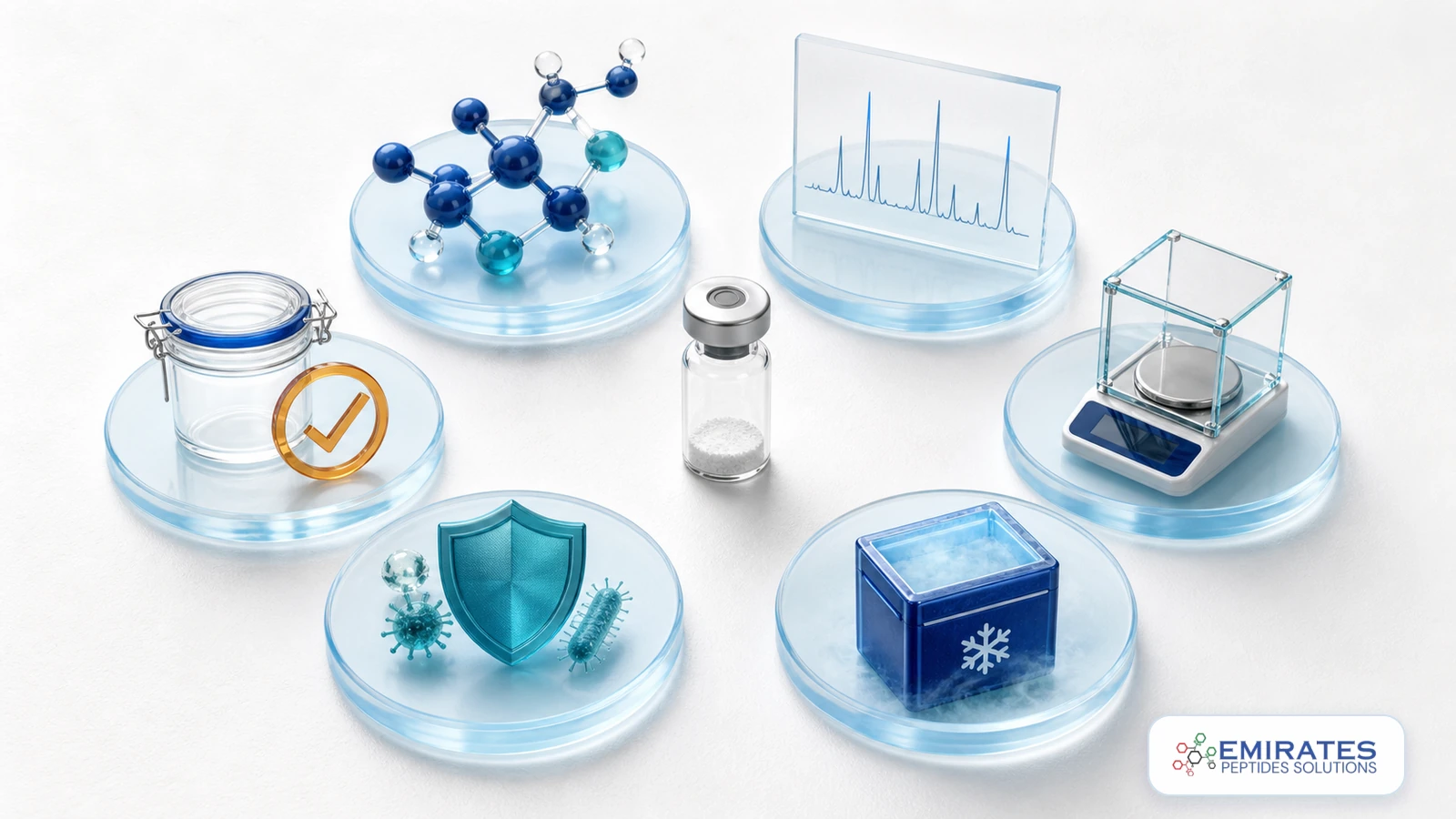
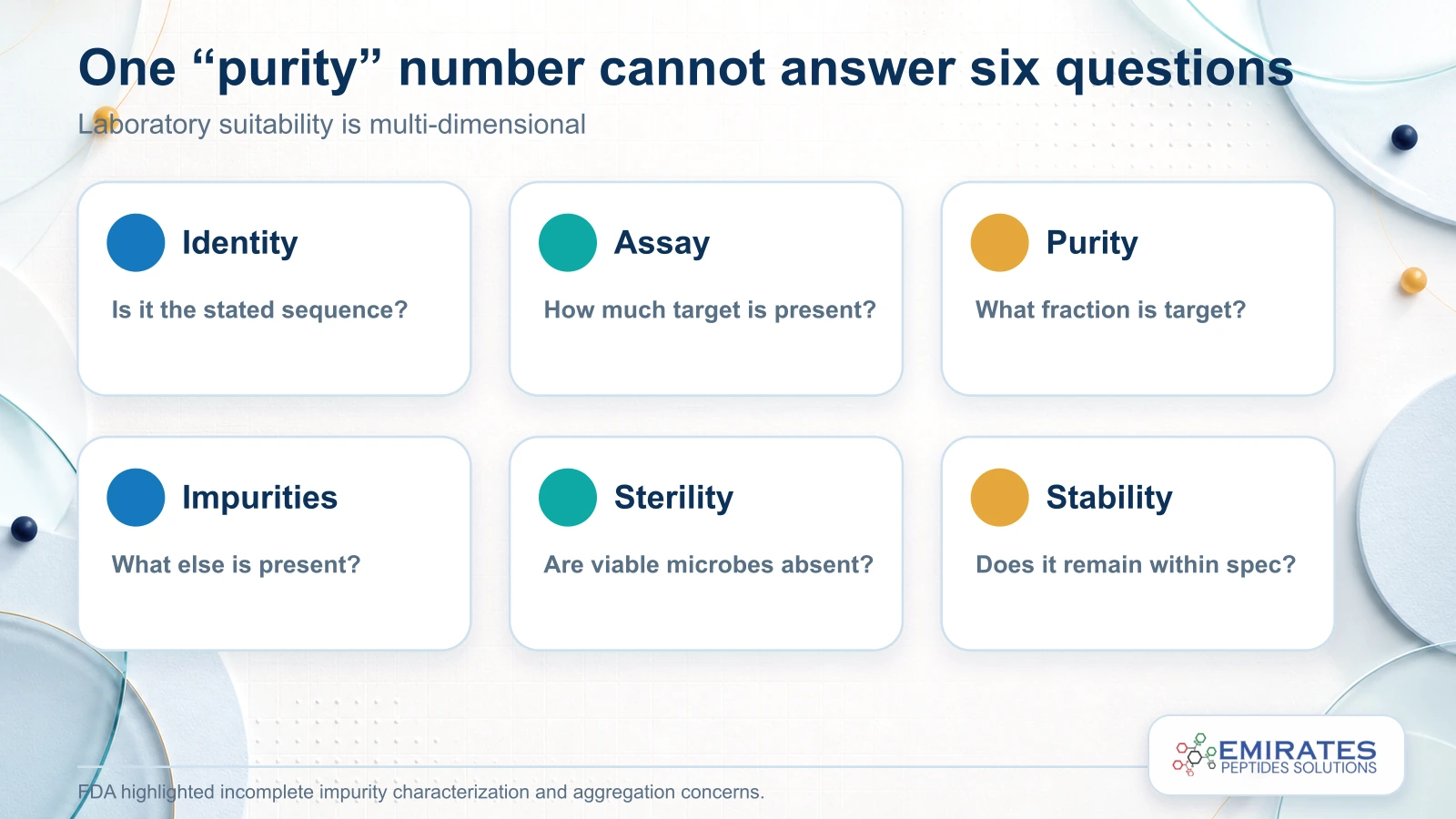
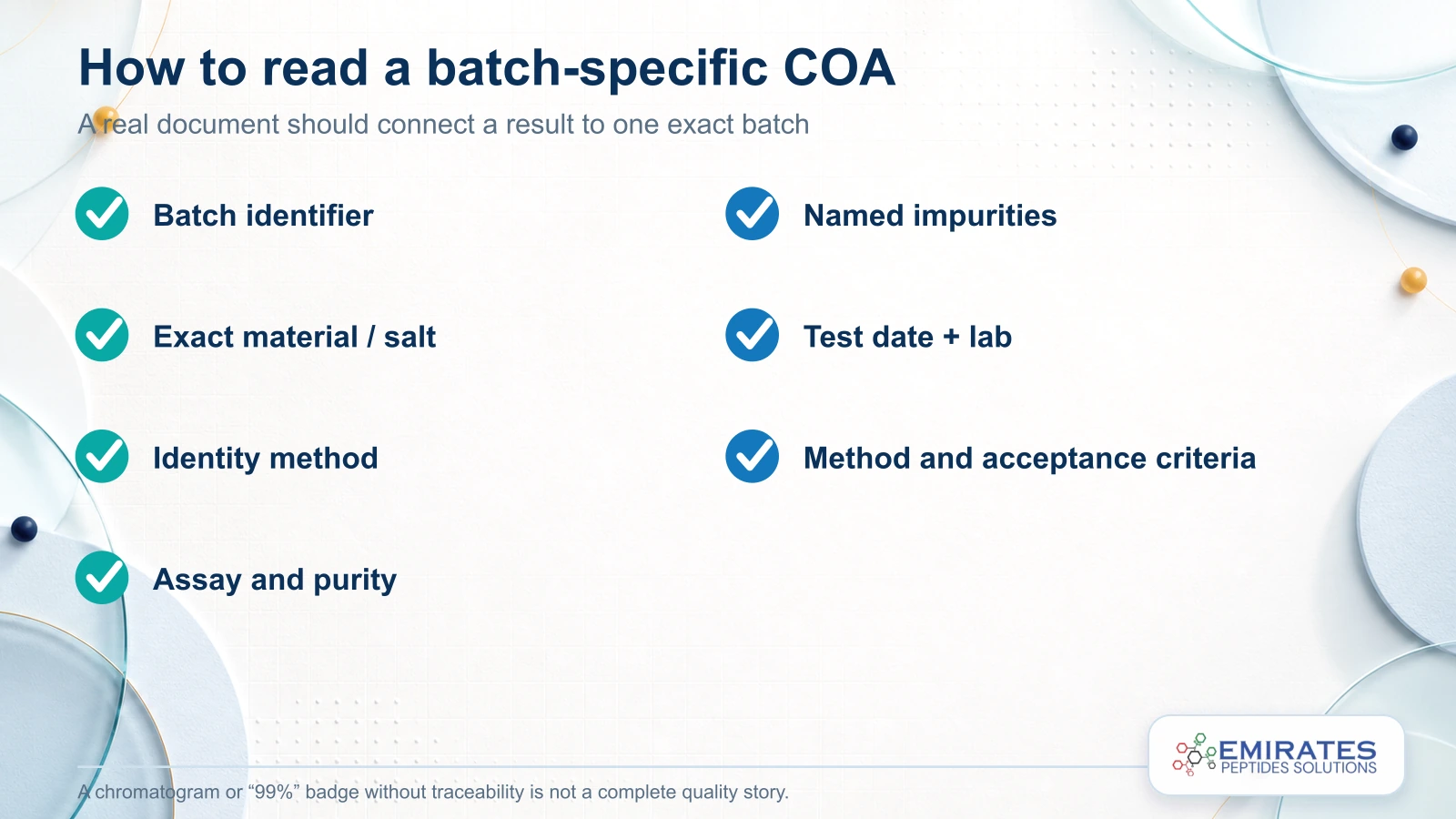
For a research material, “99% purity” is only one analytical statement. It does not by itself prove identity, sequence, quantity, impurity identity, sterility, endotoxin control, residual-solvent control, aggregation state, stability or biological activity.
A practical COA reading checklist
- The product label, batch number and COA batch number match exactly.
- The chemical form is explicit: free base, acetate or another material.
- An identity method is named, with an interpretable acceptance criterion.
- Purity and assay are not confused; each answers a different question.
- Known and unknown related substances are controlled, not hidden behind one percentage.
- The testing laboratory, test date and method are identifiable.
- Sterility and bacterial endotoxin results are present when the research protocol requires them.
- Storage and retest conditions are linked to stability data, not a generic peptide rule.
Four online claims to reject
13 · Qualified
For qualified UAE laboratory research
Review the current BPC-157 research-material page for live specifications, options, batch-specific COA availability and stock. Product information should be checked at the time of the project; it must not be interpreted as approval for human or veterinary use.
14 · Questions
Frequently asked questions
What is BPC-157?
BPC-157 is a synthetic 15-amino-acid research peptide commonly represented by the sequence GEPPPGKPADDAGLV. It has been investigated in cell, isolated-tissue, animal and a small number of human studies. It is not an approved medicine.
Is BPC-157 natural?
The historical sequence is described as a fragment associated with protective material from human gastric juice, but experimental and commercial research material is synthetically manufactured. Calling it simply “natural” can hide important questions about exact chemical form and manufacturing quality.
What does the “157” mean?
It is part of the compound’s historical research name. BPC-157 contains 15 amino acids, not 157.
Is BPC-157 FDA approved?
No. The July 2026 advisory vote addressed possible inclusion of BPC-157-related bulk substances on a compounding list. It did not approve BPC-157 as a drug and did not establish a treatment indication.
Did the FDA approve BPC-157 compounding in July 2026?
No immediate approval followed from the vote. The advisory committee made a non-binding recommendation. FDA’s final determination and any required notice-and-comment rulemaking are separate steps.
Are there human studies?
Yes, but the human evidence is small, short and heterogeneous. FDA identified five clinical reports involving different routes and populations. These reports are hypothesis-generating and do not establish broad effectiveness or long-term safety.
Has BPC-157 been proven to repair human tendons or ligaments?
No robust randomized controlled trial has established tendon or ligament repair in people. Positive findings are predominantly from animal, cell and tissue models; the main human musculoskeletal report was a small uncontrolled retrospective knee-pain review.
Does BPC-157 “heal the gut”?
That phrase is too broad. Experimental studies report findings across several gastrointestinal models, and limited human ulcerative-colitis data have been reported in abstracts. FDA concluded in 2026 that evidence was insufficient to determine effectiveness for ulcerative colitis.
Is there a validated human dose or route?
This research-only guide does not provide human-use instructions. The published studies used different preparations, routes and exploratory schedules, and no universally validated human protocol has been established.
Does a two-person safety pilot prove BPC-157 is safe?
No. It provides a very limited short-term observation. Two participants cannot detect uncommon harms, delayed effects, route-specific risk or long-term safety.
Is BPC-157 banned for athletes?
Yes. WADA lists BPC-157 under S0, Non-Approved Substances, prohibited at all times for athletes governed by the World Anti-Doping Code.
Are BPC-157 free base and BPC-157 acetate the same?
No. FDA treats them as different bulk drug substances. A research record should identify the exact material rather than relying on the common name alone.
Does 99% HPLC purity prove a vial is sterile?
No. HPLC purity and sterility are different tests. Identity, assay, related impurities, sterility, endotoxin, residual solvents, aggregation and stability require separate evidence.
What is the most accurate one-sentence conclusion?
BPC-157 is a biologically interesting investigational peptide with broad preclinical signals, limited early human observations and major unresolved questions about standardized formulation, clinical effectiveness and long-term safety.
15 · References
References
- U.S. FDA. Evaluation of BPC-157-Related Bulk Drug Substances for Inclusion on the 503A Bulks List. Pharmacy Compounding Advisory Committee briefing document. May 2026.
- U.S. FDA. July 23–24, 2026 Pharmacy Compounding Advisory Committee meeting materials.
- Reuters. FDA panel votes to place popular peptide BPC-157 on compounding list. 23 July 2026.
- World Anti-Doping Agency. 2026 Prohibited List, section S0.
- Vasireddi N, et al. Emerging Use of BPC-157 in Orthopaedic Sports Medicine: A Systematic Review. HSS Journal. 2025.
- Lee E, Padgett B. Intra-Articular Injection of BPC 157 for Multiple Types of Knee Pain. Alternative Therapies in Health and Medicine. 2021;27(4):8–13.
- Lee E, Burgess K. Safety of Intravenous Infusion of BPC157 in Humans: A Pilot Study. Alternative Therapies in Health and Medicine. 2025;31(5):20–24.
- Lee E, Walker C, Ayadi B. Effect of BPC-157 on Symptoms in Patients with Interstitial Cystitis: A Pilot Study. Alternative Therapies in Health and Medicine. 2024;30(10):12–17.
- He L, et al. Pharmacokinetics, distribution, metabolism, and excretion of body-protective compound 157 in rats and dogs. Frontiers in Pharmacology. 2022;13:1026182.
- Xu C, et al. Preclinical safety evaluation of body protective compound-157. Regulatory Toxicology and Pharmacology. 2020;114:104665.
- Hsieh MJ, et al. Therapeutic potential of pro-angiogenic BPC157 is associated with VEGFR2 activation and up-regulation. Journal of Molecular Medicine. 2017;95:323–333.
- Zhang J, et al. BPC157 drives angiogenesis through FBXO22-dependent stabilization of BACH1. Cell Communication and Signaling. 2026;24:149.
- Chang CH, et al. The promoting effect of pentadecapeptide BPC 157 on tendon healing involves tendon outgrowth, cell survival, and cell migration. Journal of Applied Physiology. 2011;110(3):774–780.
- Brcic L, et al. Modulatory effect of gastric pentadecapeptide BPC 157 on angiogenesis in muscle and tendon healing. Journal of Physiology and Pharmacology. 2009;60 Suppl 7:191–196.
- Staresinic M, et al. Pentadecapeptide BPC 157 improves ligament healing in the rat. Journal of Orthopaedic Research. 2010;28(9):1155–1161.
- Endothelium-Dependent Nitric Oxide-Mediated Vasorelaxant Effects of BPC 157 in Human Internal Mammary Artery. 2026.
- Chang CH, et al. Pentadecapeptide BPC 157 enhances the growth hormone receptor expression in tendon fibroblasts. Molecules. 2014;19(11):19066–19077.
- Krivic A, et al. Gastric pentadecapeptide BPC 157 accelerates healing of transected rat Achilles tendon and in vitro stimulates tendocytes growth. Journal of Orthopaedic Research. 2003;21(6):976–983.
Was this article helpful?

🔬 Related Research Peptides
Explore Research-Grade Peptides
HPLC-verified, lab-tested peptides for your scientific research. Fast delivery across the UAE.
Browse All PeptidesRelated Articles

Emirates Peptides Research Team
A dedicated coalition of biochemists and clinical researchers focusing on advanced peptide synthesis and pharmacological applications. All data is verified against current clinical trials.